
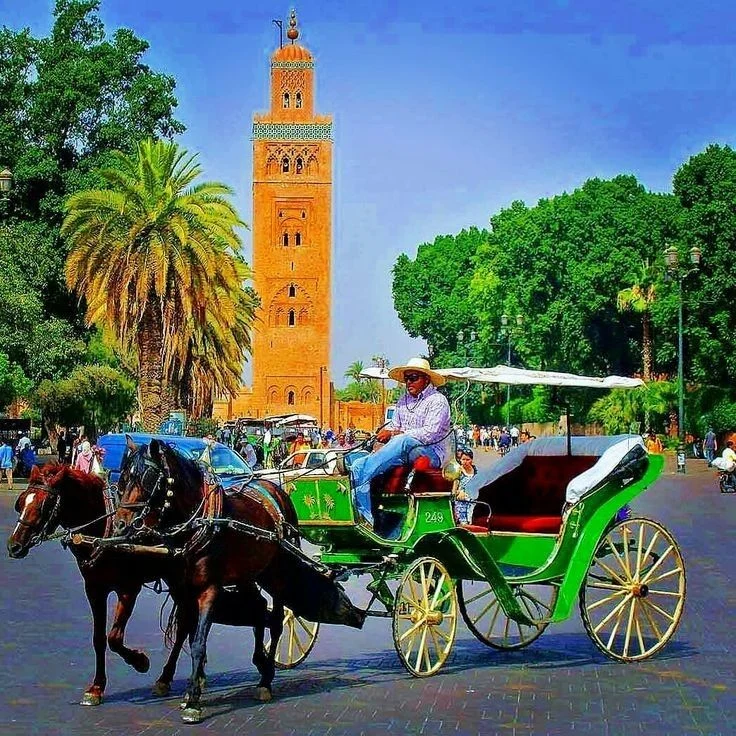
Best Time to Visit Morocco: Complete Month-by-Month Guide
Planning a trip to Morocco? Choosing the best time to visit Morocco depends on where you want to go, what you want to do, and the type of weather you prefer. From the colorful medinas of Marrakech and Fes to the golden dunes of the Sahara Desert, Morocco offers a wide variety of experiences throughout the year.
However, Morocco’s climate is not the same everywhere. The weather can vary considerably between inland cities, Atlantic and Mediterranean coastal areas, the Atlas Mountains, and the Sahara Desert. As a result, the perfect month for a city break may not necessarily be the ideal month for hiking or spending a night in the desert.
That is why understanding Morocco weather by month can make a big difference when planning your trip. By choosing your travel dates carefully, you can enjoy more comfortable sightseeing, better conditions for outdoor activities, and a smoother overall experience.
In this complete month-by-month Morocco travel guide, you’ll discover what to expect during every season, how temperatures change throughout the year, and which destinations are particularly suitable for each period. You’ll also find practical advice for Marrakech, Fes, Chefchaouen, the Sahara Desert, the Atlas Mountains, and Morocco’s coastal destinations.
Whether you’re planning a short city break, a 3 day Morocco tour, a longer 7 day Morocco itinerary, or a private journey across several regions, this guide will help you understand when to visit Morocco and how to plan your trip around the weather.
What Is the Best Time to Visit Morocco?
For many travelers, spring and autumn are the best times to visit Morocco. From March to May and from September to November, temperatures are often comfortable for sightseeing, outdoor activities, desert trips, and exploring Morocco’s historic cities.
During these seasons, you can explore Marrakech’s medina, walk through the ancient streets of Fes, visit Chefchaouen, travel through the Atlas Mountains, or experience the Sahara without the strongest summer heat in many inland areas. In addition, spring and autumn can provide a good balance for travelers who want to combine several destinations in one trip.
Nevertheless, there is no single best month for every traveler. Your ideal travel period depends on your itinerary, budget, preferred activities, and tolerance for heat or cold. For example, someone planning a beach holiday may prefer summer, while a traveler interested in desert tours and long city walks may prefer spring or autumn.
Winter can also be an interesting time to visit Morocco. Although temperatures are cooler, especially at night, many cities can still have pleasant sunny days. Moreover, winter provides opportunities to see snow in the Atlas Mountains while enjoying milder conditions in southern Morocco.
2-Day Zagora Desert Tour from Marrakech
3-Day Desert Tour from Marrakech to Fes via Merzouga
3-Day Merzouga Desert Tour from Marrakech
4-Day Desert Tour from Marrakech to Fes via Merzouga
4-Day Merzouga Desert Tour from Marrakech
5-Day Desert Tour from Marrakech to Fes via Merzouga
5-Day Merzouga Desert Private Tour from Marrakech
6-Day Desert Tour from Marrakech to Fes via Merzouga
8-Day Essential Morocco Tour from Marrakech to Tangier
10-Day Grand Morocco Tour from Marrakech to Tangier
Morocco Weather by Season
Morocco has a remarkably diverse climate because of its geography. The country combines Atlantic and Mediterranean coastlines, mountain ranges, inland plains, and vast desert regions.
As a result, temperatures can change significantly from one destination to another. For example, a cool morning in the Atlas Mountains can occur at the same time as much warmer weather in Marrakech or the Sahara Desert.
For this reason, travelers should avoid thinking of Morocco as having one uniform climate. Instead, consider the specific destinations on your itinerary before choosing your travel dates.
Spring in Morocco
Spring is one of the most popular seasons for traveling around Morocco. From March through May, temperatures generally become warmer while many destinations remain comfortable for sightseeing and outdoor activities.
Furthermore, spring is an excellent period for travelers who want to combine cities, mountains, desert landscapes, and coastal destinations. Marrakech, Fes, Chefchaouen, the Atlas Mountains, and the Sahara can all be included in a spring itinerary.
The landscapes can also look particularly attractive after the cooler and wetter winter months. In addition, the moderate temperatures make long walks through Morocco’s historic medinas much more enjoyable.
For travelers interested in hiking, spring can be particularly appealing. However, mountain conditions vary according to elevation, so always check local weather conditions before choosing a route.
Summer in Morocco
Summer can be very hot in inland Morocco, especially during July and August. Cities such as Marrakech and Fes can experience high daytime temperatures, while desert areas can become extremely hot.
Nevertheless, summer can still be a good time to visit Morocco if you plan your itinerary carefully. Coastal destinations such as Essaouira and Agadir generally offer a different atmosphere and can be attractive alternatives to the hottest inland regions.
If you travel during summer, consider scheduling outdoor activities early in the morning or later in the afternoon. At the same time, take breaks during the hottest part of the day and stay hydrated.
Summer can also be suitable for travelers interested in beaches, coastal towns, and mountain areas. Therefore, the season is not necessarily a reason to avoid Morocco; rather, it is a reason to choose your destinations carefully.
Autumn in Morocco
Autumn is another excellent season for a Morocco trip. From September to November, temperatures gradually become more comfortable after the summer heat.
September can still be quite warm in some inland areas. However, conditions usually become milder during October and November, making these months particularly attractive for city tours, desert adventures, hiking, and cultural experiences.
Moreover, autumn is an excellent period for travelers who want to explore several parts of the country during one trip. You can combine Marrakech, the Atlas Mountains, the Sahara Desert, Fes, and Chefchaouen while avoiding some of the strongest summer temperatures.
For this reason, October and November are often popular months for travelers looking for a comfortable Morocco travel experience.
Winter in Morocco
Winter is sometimes overlooked by international travelers, but it can be a rewarding season to visit. December, January, and February bring cooler temperatures, particularly during the mornings and evenings.
However, daytime conditions can still be pleasant in many Moroccan cities, especially when the sun is shining. Marrakech, for example, can be an interesting winter destination for travelers who want to explore the city without the intense heat of summer.
At the same time, the Atlas Mountains can experience snow at higher elevations. This creates a striking contrast between snowy mountain landscapes and the warmer regions farther south.
If you travel to the Sahara during winter, remember that desert nights can be extremely cold. Therefore, warm layers are essential for overnight desert camps.
Morocco in January
January is one of the coolest months of the year in Morocco. Temperatures vary considerably by region, but mornings and evenings can feel cold, particularly in inland cities and mountainous areas.
Marrakech can be a good winter destination because daytime sightseeing is often more comfortable than during the hot summer months. You can explore the medina, souks, gardens, palaces, and historic sites without dealing with extreme daytime heat.
Fes and northern Morocco can be colder, especially after sunset. Therefore, travelers visiting during January should bring warm layers even if they expect sunny weather during the day.
The Sahara Desert can also be visited in January. However, while daytime conditions can be manageable, temperatures can fall dramatically after sunset.
If you’re planning a Morocco Sahara desert tour, pack warm clothing and check what facilities your desert camp provides. A good jacket, warm layers, and suitable nighttime clothing can make a major difference.
January is also an interesting month for the Atlas Mountains. Higher elevations may have snow, creating beautiful winter scenery.
However, travelers planning mountain hikes should carefully consider altitude, snow, weather conditions, and their own hiking experience. Routes that are easy during warmer months may require additional preparation during winter.
What to Pack for Morocco in January
If you visit Morocco in January, packing layers is generally more useful than relying on one heavy item. A warm jacket, sweater, comfortable walking shoes, and long trousers can be useful for exploring cities.
If your itinerary includes the Sahara or Atlas Mountains, add warmer clothing. Temperatures can drop significantly after sunset, so prepare for both daytime and nighttime conditions.
Morocco in February
February remains relatively cool, although temperatures gradually begin to rise as spring approaches. It can be a comfortable period for travelers who want to explore Morocco without the intense heat of summer.
Marrakech is often suitable for winter sightseeing. During the day, you can explore the medina, souks, gardens, palaces, and historic attractions before enjoying Moroccan restaurants and cafés.
Fes can be colder than Marrakech, especially during the morning and evening. Nevertheless, its historic medina and cultural attractions make it a fascinating destination for travelers who do not mind cooler conditions.
February can also be suitable for a desert adventure. Days may be comfortable for activities such as camel trekking, while nights remain cold.
If hiking is part of your itinerary, conditions in the Atlas Mountains can vary considerably. Snow and cold temperatures are possible at higher elevations, so choose routes carefully.
Morocco in March
March marks the beginning of spring and is often considered one of the more comfortable months for exploring Morocco.
Temperatures generally become warmer, making outdoor sightseeing easier. At the same time, the strongest summer heat has not yet arrived.
This makes March useful for travelers planning a multi-destination itinerary. You can combine Marrakech, Fes, Chefchaouen, the Sahara Desert, and the Atlas Mountains without dealing with peak summer temperatures.
March is also a good period for exploring Morocco’s historic sites. Walking through the medinas of Fes and Marrakech can be more enjoyable when temperatures are moderate.
The Sahara is another major attraction during March. Days can be warm enough for camel trekking and outdoor activities, while evenings are usually more manageable than during the coldest winter months.
Travelers interested in hiking may also find March appealing. However, mountain conditions can still vary at higher elevations, so check local forecasts before setting out.
Morocco in April
April is widely regarded as one of the most attractive months for traveling around Morocco. Spring is well underway, and many regions experience pleasant conditions for sightseeing and outdoor activities.
The month works particularly well for travelers who want to combine cities, mountains, desert landscapes, and coastal destinations in one itinerary.
For example, you could spend several days exploring Marrakech before traveling through the Atlas Mountains toward the Sahara. Afterwards, you could continue to Fes or Chefchaouen.
Marrakech can be lively in April, while the moderate temperatures make walking through the old city more comfortable.
Fes and Chefchaouen are also worth considering. The spring weather makes walking through their historic streets and exploring local markets more enjoyable.
April is also a popular period for desert trips. Comfortable daytime temperatures and cooler evenings can create good conditions for camel rides, sunset experiences, and overnight desert camps.
If hiking is part of your itinerary, the Atlas Mountains can provide spectacular spring scenery. However, conditions vary by altitude, so prepare appropriately.
Morocco in May
May is another excellent month for a Morocco vacation. Temperatures become warmer, particularly in inland areas, but the most extreme summer heat has generally not arrived yet.
As a result, May is suitable for travelers who want to spend considerable time outdoors. You can explore Morocco’s imperial cities, travel through the desert, hike in the mountains, or relax along the coast.
Marrakech can become warm during the day, so planning sightseeing during the morning and late afternoon can make your trip more comfortable.
The Sahara Desert is also worth considering in May. Temperatures can be high during the middle of the day, so desert activities should be planned with heat and sun exposure in mind.
For travelers looking for a balance between warm weather and manageable sightseeing conditions, May can be a practical choice.
Morocco in June
June marks the transition into Morocco’s hotter summer period. Inland destinations can become significantly warmer, particularly during the middle of the day.
If you visit Marrakech or Fes in June, consider planning outdoor activities early in the morning. Afterwards, take a midday break before continuing your sightseeing later in the afternoon.
The Atlantic coast can be an attractive alternative during June. Essaouira and Agadir offer a different climate from inland cities because of their coastal locations.
June can also be a good month for travelers who enjoy long sunny days. You can spend the morning exploring cultural attractions and then enjoy Moroccan food, cafés, and markets in the evening.
For the Sahara, however, June can be hot. Therefore, desert activities should be planned carefully, with attention to hydration, sun protection, and activity timing.
Morocco in July
July is one of the hottest months in Morocco. Inland cities can experience very high daytime temperatures, making long walks during the middle of the day uncomfortable.
Travelers visiting Marrakech or Fes during July should therefore plan their schedules around the heat. Early mornings and evenings are generally more suitable for outdoor exploration.
The coast can provide a more comfortable alternative. Essaouira is particularly attractive for travelers who enjoy the Atlantic atmosphere, while Agadir is popular for beach holidays and relaxed summer trips.
July can be less suitable for travelers whose main goal is hiking in hot inland areas. Nevertheless, higher mountain regions can offer different conditions.
The Sahara Desert can be visited during July, but temperatures can be intense. Travelers should understand the seasonal conditions before booking a desert itinerary.
Morocco in August
August is typically another very hot month in Morocco, particularly in inland and desert areas.
Travelers who are uncomfortable with high temperatures may prefer coastal destinations during this period. Essaouira, for example, can be an appealing summer destination because of its Atlantic location and coastal winds.
Agadir is also popular for beach holidays and relaxed summer trips.
If your itinerary includes Marrakech, avoid spending long periods walking outdoors during the hottest part of the day. Instead, explore early in the morning, take a midday break, and continue later in the afternoon or evening.
August is also a busy travel period for many international visitors because of summer holidays. Therefore, popular attractions and accommodations may be busier than during quieter periods.
If you want to experience the Sahara in August, plan carefully. Hydration, sun protection, suitable clothing, and appropriate activity times become particularly important.
Morocco in September
September is a transition month between summer and autumn. Temperatures can remain high at the beginning of the month but generally become more comfortable as autumn progresses.
This makes September an interesting option for travelers who want warm weather without visiting during the peak of summer.
Marrakech remains popular in September, although travelers should still expect warm conditions. Starting activities early and taking breaks during the hottest hours can make sightseeing more enjoyable.
The Sahara Desert also becomes increasingly attractive as temperatures begin to moderate.
Desert tours, camel trekking, sunset experiences, and overnight camps can all be included in a longer Morocco itinerary.
September can work particularly well for travelers combining several regions. You can experience Moroccan cities, mountain scenery, desert landscapes, and the Atlantic coast in one journey.
Morocco in October
October is one of the most popular months for a Morocco vacation. Autumn temperatures are generally comfortable, making it easier to explore cities and participate in outdoor activities.
Marrakech is particularly appealing during October. Travelers can spend more time walking through the medina, visiting historic attractions, shopping in the souks, and enjoying outdoor cafés.
Fes and Chefchaouen are also excellent destinations during this period. Comfortable autumn conditions make walking tours and cultural exploration more enjoyable.
October is also a popular month for Sahara Desert tours. Temperatures are generally more manageable than during the hottest summer months, making camel trekking and desert camping more comfortable.
For hikers, the Atlas Mountains can also be attractive in October. Nevertheless, prepare for cooler temperatures at higher elevations.
If you’re looking for a month that combines comfortable sightseeing, desert adventures, and cultural experiences, October is a strong option to consider.
Morocco in November
November brings cooler autumn weather to Morocco. It can be a comfortable month for travelers who prefer mild temperatures and want to avoid the hottest part of the year.
The cities remain attractive, particularly for cultural tourism. Marrakech, Fes, Meknes, Rabat, and Chefchaouen offer historic architecture, traditional markets, museums, and Moroccan cultural experiences.
November can also be a good period for a Sahara Desert trip. Days can be comfortable, while nights become colder.
Therefore, travelers staying overnight in a desert camp should bring warm clothing.
Rain becomes more likely in some parts of Morocco as winter approaches. However, conditions vary by region.
For travelers interested in combining cities and the desert, November can provide a comfortable balance between cooler temperatures and outdoor exploration.
Morocco in December
December marks the beginning of winter. Temperatures are generally cooler, particularly during mornings and evenings, but Morocco can still be an enjoyable destination.
Marrakech can offer pleasant daytime sightseeing conditions, although nights may feel cold. Fes and northern Morocco can be cooler, while higher mountain areas can experience winter conditions.
The Sahara Desert remains accessible in December. However, desert nights can be particularly cold.
If you plan to stay in a desert camp, bring warm layers and confirm what facilities are available before your trip.
December can also be interesting for travelers who want to experience Morocco’s winter landscapes. Snow may appear in the Atlas Mountains, creating a striking contrast with the warmer southern regions.
Best Time to Visit Marrakech
The best time to visit Marrakech depends on your tolerance for heat and the activities you want to enjoy. Spring and autumn are generally comfortable periods for exploring the Red City.
Marrakech is famous for its historic medina, colorful souks, palaces, gardens, riads, restaurants, and lively atmosphere. Because much of the city is best experienced on foot, comfortable temperatures can make a significant difference.
April, May, October, and November are particularly useful months to consider if sightseeing is your priority.
Summer can be considerably hotter. Therefore, if you visit during July or August, plan your schedule around the heat.
A well-planned Marrakech day tour can also help you explore nearby destinations while avoiding the need to organize every part of your journey independently.
Best Time to Visit Fes
Fes is one of Morocco’s most important cultural destinations and is home to the famous Fes el-Bali medina.
Because much of the historic center is explored on foot, weather plays an important role in your travel experience.
Spring and autumn can provide comfortable conditions for exploring narrow streets, traditional markets, historic buildings, and cultural attractions.
Winter can be cooler, particularly during the morning and evening, while summer can become hot during the day.
Fes can also be combined with Chefchaouen, Marrakech, the Sahara Desert, and other destinations as part of a longer Morocco private tour.
Tours from fes:
2-Day Desert Tour from Fes to Marrakech
2-Day Merzouga Desert Tour from Fes
3-Day Desert Tour from Fes to Marrakech
3-Day Merzouga Desert Loop Tour from Fes
4-Day Desert Tour from Fes to Marrakech
4-Day Merzouga Desert & Canyons Loop Tour from Fes
5-Day Desert Tour from Fes to Marrakech via Merzouga
7-Day Desert & Imperial Cities Loop Tour from Fes
10-Day Grand Imperial & Desert Tour from Fes
Best Time to Visit Chefchaouen
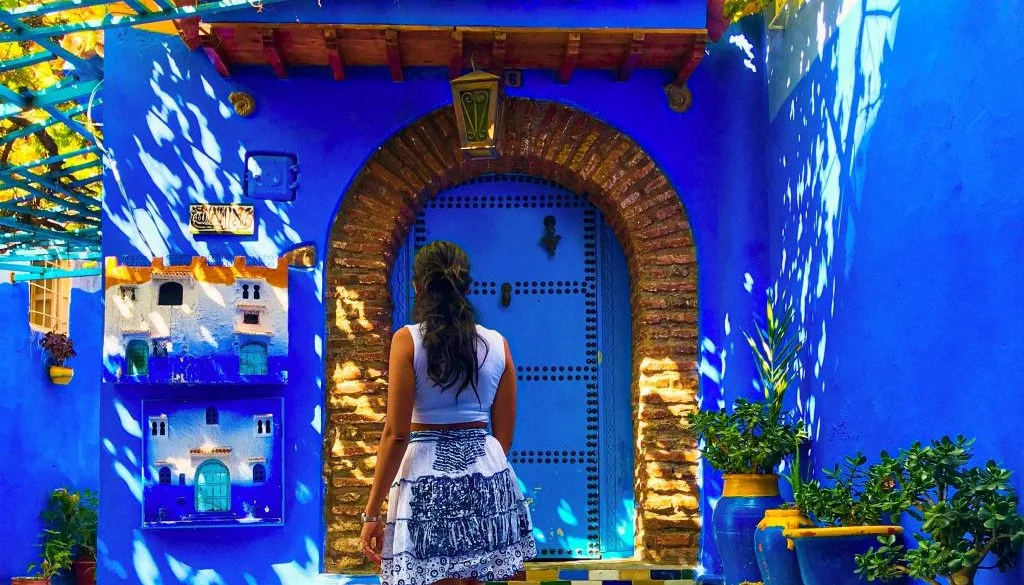
Chefchaouen is famous for its blue-painted streets and mountain setting. Although the town can be visited throughout the year, spring and autumn can be particularly pleasant for walking around the medina.
Because Chefchaouen is located in the Rif Mountains, its climate can differ from Marrakech and southern Morocco.
Temperatures can be cooler, particularly during winter evenings.
If photography is one of your main reasons for visiting Chefchaouen, allow enough time to explore the medina at a relaxed pace.
Early mornings can also provide a quieter atmosphere and better opportunities to appreciate the blue streets before the town becomes busier.
Best Time to Visit the Sahara Desert
The best time to visit the Sahara Desert in Morocco is often associated with spring and autumn because temperatures are generally more comfortable for outdoor activities.
A Sahara experience can include camel trekking, watching the sunset over the dunes, spending the night in a desert camp, and looking at the stars away from city lights.
Summer can be extremely hot, particularly during the middle of the day. On the other hand, winter offers cooler daytime conditions but can bring very cold desert nights.
Therefore, regardless of the season, travelers should prepare for significant temperature changes between daytime and nighttime.
Comfortable clothing, sun protection, water, and appropriate footwear are important for a desert adventure.
Best Time to Visit the Atlas Mountains
The Atlas Mountains offer a completely different experience from Morocco’s cities and desert regions.
Hiking, mountain villages, panoramic views, local culture, and outdoor adventures attract travelers throughout the year.
Spring and autumn are often comfortable seasons for many hiking itineraries, although conditions depend heavily on altitude and the specific route.
Winter can bring snow to higher elevations. As a result, some routes can become more challenging.
Summer may be hot in lower elevations, but higher mountain areas can provide cooler conditions.
Before planning a mountain adventure, always consider altitude, weather, trail conditions, daylight hours, and your own hiking experience.
Best Time to Visit Morocco for a Desert Tour
If your main goal is a Morocco desert tour, consider traveling during spring or autumn.
These seasons can offer a comfortable balance between daytime temperatures and nighttime conditions.
A typical desert itinerary may include Marrakech, the Atlas Mountains, Ait Ben Haddou, the Dades Valley, Todra Gorge, Merzouga, and the Erg Chebbi dunes.
However, weather varies by location and month. Therefore, check conditions before departure and prepare for both hot days and cool nights.
Winter can also be a good option for travelers who prefer cooler daytime temperatures.
The main consideration is the cold after sunset, particularly when staying overnight in the desert.
Best Time to Visit Morocco for Beaches
Morocco has a long Atlantic coastline as well as a Mediterranean coastline, giving beach travelers several options.
Summer is generally popular for coastal trips because of warm weather and long days. However, coastal conditions can differ significantly from inland cities.
Essaouira is known for its Atlantic atmosphere, historic medina, and oceanfront setting.
Agadir is another popular option for travelers looking for beaches, sunshine, and a more relaxed holiday.
If you want to combine beaches with cultural sightseeing, consider building an itinerary that includes both coastal and inland destinations.
Best Time to Visit Morocco for Hiking
Spring and autumn can be good seasons for hiking in Morocco because temperatures are often more comfortable than during the hottest summer months.
The Atlas Mountains provide routes for different levels of experience, ranging from shorter walks to more demanding treks.
However, weather can change quickly in mountainous areas. Even when conditions are warm in a nearby city, higher elevations can be considerably colder.
Therefore, always consider altitude, trail conditions, daylight hours, and your experience before starting a hike.
Best Time to Visit Morocco for Cultural Experiences
Morocco is a fascinating destination for cultural travel throughout the year.
Historic medinas, traditional markets, architecture, Moroccan cuisine, handicrafts, and local communities can be experienced during every season.
Spring and autumn are particularly convenient for travelers who want to spend long days exploring cities on foot.
Winter can also be rewarding because cooler daytime temperatures can make sightseeing comfortable.
Summer requires more careful planning because of the heat in many inland cities.
Cultural festivals and religious events can also influence travel conditions. Since dates for some events change each year, check the calendar for the year of your visit before finalizing your itinerary.
Is Morocco Worth Visiting in Summer?
Yes, Morocco can absolutely be visited in summer. However, your itinerary should take the heat into account.
Inland cities and desert areas can become very hot, especially during July and August.
Travelers visiting during summer may therefore prefer coastal destinations or schedule sightseeing early in the morning and later in the afternoon.
Summer can still be rewarding for exploring Moroccan culture, food, architecture, beaches, and mountain regions.
The key is to match your destinations and activities with the seasonal conditions.
Is Morocco Worth Visiting in Winter?
Yes. Winter can be an excellent period for travelers who prefer cooler weather and want to experience Morocco without the intense summer heat.
Marrakech and other cities can have pleasant sunny days, although mornings and evenings may be cold.
The Sahara is also accessible, but overnight temperatures can drop significantly.
Winter is particularly interesting for travelers who want to see snow in the Atlas Mountains.
The contrast between snowy mountain scenery and warmer southern landscapes demonstrates just how diverse Morocco’s climate can be.
How Many Days Do You Need in Morocco?
The ideal length of a Morocco trip depends on how many regions you want to visit.
A short trip can focus on one or two destinations, while a longer itinerary allows you to combine cities, mountains, desert, and coast.
For example, a 3 day Morocco tour can focus on a specific region or provide a short desert experience, while a 5 day Morocco tour gives travelers more flexibility.
A 7 day Morocco tour can include several major destinations if the itinerary is planned efficiently.
With 10 days or two weeks, travelers can create a more relaxed itinerary and include several major destinations without spending every day on the road.
However, avoid trying to see the entire country in a short period. Morocco is geographically diverse, and travel times between destinations can be longer than expected.
What to Pack for Morocco
What you pack for Morocco should depend on the season and destinations included in your itinerary.
Lightweight clothing can be useful during warmer months, while layers are important during spring, autumn, and winter.
Comfortable walking shoes are particularly important because many Moroccan cities are best explored on foot.
A light jacket can also be useful for evenings, even during warmer seasons.
If you’re visiting the desert, bring sun protection and clothing suitable for both warm days and cooler nights.
If you’re hiking in the mountains, your packing list should reflect the altitude and expected conditions.
A reusable water bottle, sunglasses, sunscreen, comfortable clothes, and a small day bag are also useful for many Morocco itineraries.
Morocco Travel Tips by Season
One of the easiest ways to enjoy Morocco is to build your itinerary around the season.
Instead of asking only when Morocco is warmest, think about what you actually want to do during your trip.
For example, travelers interested in the Sahara and Atlas Mountains may prefer spring or autumn.
Meanwhile, travelers looking mainly for a beach holiday may choose summer.
Always check weather forecasts shortly before your trip because average temperatures cannot predict every day’s conditions.
Regional differences are particularly important in Morocco.
Should You Visit Morocco in Spring?
Spring is an excellent period for travelers who want a mixture of sightseeing and outdoor activities.
Temperatures are generally comfortable, and the country’s landscapes can look particularly attractive.
A spring itinerary can include Marrakech, Fes, Chefchaouen, the Atlas Mountains, and the Sahara Desert.
Coastal destinations can also be added if you have enough time.
Moreover, spring is a useful season for travelers who want to experience several different sides of Morocco during one trip.
Should You Visit Morocco in Summer?
Summer is best suited to travelers who are comfortable with high temperatures or who plan to spend significant time on the coast or in cooler mountain areas.
If you’re visiting inland cities, adjust your schedule around the hottest hours.
Drink plenty of water, use sun protection, and avoid unnecessary long walks during peak heat.
Furthermore, consider adding Essaouira or Agadir to your itinerary if you want to balance inland sightseeing with time near the ocean.
Should You Visit Morocco in Autumn?
Autumn is a popular choice for Morocco travel because temperatures become more comfortable after summer.
September can remain hot, while October and November are generally cooler.
This season works well for city tours, desert adventures, hiking, cultural experiences, and multi-day Morocco itineraries.
As a result, autumn is particularly useful for travelers who want to explore several regions without experiencing the strongest summer temperatures.
Should You Visit Morocco in Winter?
Winter is worth considering if you prefer cooler weather.
City sightseeing can be comfortable during sunny days, although evenings can be cold.
If you plan to visit the desert or mountains, pack warm clothing.
Higher elevations can experience significantly colder temperatures than Morocco’s major cities.
Therefore, your packing list should reflect every region included in your itinerary.
Morocco Temperature Guide by Month
When planning a trip, remember that Morocco does not have one uniform temperature pattern.
Coastal areas, inland cities, mountains, and desert regions can experience very different weather during the same month.
Instead of relying on a single national average, consider the destinations included in your itinerary.
This is especially important if you plan to travel from northern Morocco to the Sahara Desert.
| Month | General Conditions | Good For |
|---|---|---|
| January | Cool winter weather | Cities, winter landscapes |
| February | Cool to mild | Cities, cultural trips, desert |
| March | Mild spring weather | Cities, desert, hiking |
| April | Pleasant spring weather | Most activities |
| May | Warm and generally comfortable | Desert, cities, mountains |
| June | Hotter inland | Coast, mountains, cities with planning |
| July | Very hot inland | Beaches, coast, selected mountain areas |
| August | Very hot inland | Coast and beaches |
| September | Warm to hot | Desert, coast, cities |
| October | Mild and comfortable | Most activities |
| November | Mild to cool | Cities, desert, cultural travel |
| December | Cool winter weather | Cities, desert, mountains |
These are general seasonal patterns rather than exact daily forecasts.
Because Morocco’s climate varies by destination and elevation, always check a reliable local weather forecast when preparing your final itinerary.
Cheapest Time to Visit Morocco
Travel costs can vary depending on your destination, accommodation, flights, holidays, and travel dates.
There is no single period that is guaranteed to be the cheapest for every traveler.
However, traveling outside major holiday periods can sometimes provide more accommodation choices and different prices.
If your schedule is flexible, compare several months rather than choosing dates based only on weather.
A slightly cooler or warmer travel period may offer different accommodation and transportation options.
Your overall budget will also depend on your travel style.
Hostels, local restaurants, public transportation, riads, private tours, and luxury accommodations can create very different trip costs.
For travelers interested in custom Morocco tours, private travel can also be planned around a specific budget, travel style, and preferred destinations.
When Is Morocco Most Crowded?
Morocco’s busiest periods can vary depending on the destination and international travel seasons.
Popular cities and attractions can become particularly active during major holiday periods.
Marrakech, Fes, Chefchaouen, and the Sahara Desert are popular throughout much of the year.
Therefore, travelers should not expect every destination to be quiet outside summer.
If you prefer a calmer experience, consider traveling during shoulder seasons or visiting popular attractions early in the day.
Booking accommodation and popular tours in advance can also make your trip easier, especially if your dates are fixed.
Best Time to Visit Morocco for Your First Trip
For a first visit, spring and autumn can make itinerary planning easier because they generally offer comfortable conditions for several types of activities.
A first-time itinerary might combine Marrakech, the Atlas Mountains, the Sahara Desert, Fes, and Chefchaouen.
This gives you a mixture of cities, mountains, desert landscapes, architecture, food, and Moroccan culture.
If you have limited time, avoid trying to see the entire country.
Instead, choose a region and explore it properly rather than spending most of your trip traveling between destinations.
The best Morocco itinerary is not necessarily the one with the most destinations.
Giving yourself enough time to enjoy each place can make the trip more relaxing and memorable.
Planning a Morocco Private Tour
Travelers who want a more flexible experience can consider a Morocco private tour.
A private itinerary allows you to choose destinations, travel dates, activities, and the overall pace of your trip.
For example, couples may prefer a romantic desert itinerary, families may want shorter driving days, while solo travelers may want to spend more time exploring Morocco’s cities.
Similarly, travelers interested in photography can build an itinerary around destinations such as Marrakech, Chefchaouen, the Sahara Desert, and the Atlas Mountains.
A tailor-made itinerary can also be adjusted according to the season.
For example, a summer itinerary can place more emphasis on coastal destinations, while a spring or autumn itinerary can include more hiking and desert activities.
For travelers looking for a local operator, Morocco Experience Tours can be a natural starting point for exploring private and tailor-made Morocco travel options.
Best Time for Morocco Day Trips
Day trips from Marrakech are popular throughout the year, but the ideal destination can depend on the season.
During warmer months, mountain and coastal destinations can be attractive alternatives to the hotter inland areas.
For example, an Essaouira day trip from Marrakech combines historic streets, Atlantic scenery, seafood, and a coastal atmosphere.
An Ouzoud Waterfalls day trip from Marrakech can also be appealing for travelers looking for nature and cooler surroundings.
Meanwhile, the Ourika Valley and Atlas Mountains can provide opportunities to escape the heat and experience mountain landscapes.
For each day trip, consider departure time, driving time, temperatures, and the activities you want to enjoy.
Best Time for Morocco Desert Tours
The Sahara Desert is one of Morocco’s most memorable experiences, but the season can influence your comfort.
Spring and autumn are often suitable for travelers who want to combine camel trekking, desert camps, and sightseeing.
Winter can also work well, although nighttime temperatures can be very cold.
Summer is possible but requires additional preparation because daytime temperatures can become intense.
If a desert experience is the main reason for your trip, choose your travel dates carefully and build enough time into your itinerary.
Morocco Experience Tours: Creating a Journey Around Your Interests
A Morocco trip does not have to follow one fixed itinerary.
Instead, you can build your journey around the experiences that interest you most.
For example, a traveler interested in history might focus on Marrakech, Fes, Meknes, Rabat, and the country’s historic medinas.
Someone interested in nature could combine the Atlas Mountains, waterfalls, valleys, and the Sahara Desert.
Beach lovers can include Essaouira or Agadir, while food enthusiasts can dedicate more time to local markets, traditional restaurants, and Moroccan cooking experiences.
This flexibility is one reason private and tailor-made travel can be useful for travelers with specific interests.
Planning February or early March 2027? Ramadan is expected from about 8 February to 8 March. Read our guide to Ramadan in Morocco 2027 before you book.
Before you go, check our Morocco desert packing list, our guide to Morocco with kids and our honest answer to is Morocco safe for tourists.
Traveling between December and February? Read our full guide to Morocco in winter.
Frequently Asked Questions About the Best Time to Visit Morocco
What is the best month to visit Morocco?
There is no single best month for every traveler.
April, May, October, and November are often attractive because they can offer comfortable conditions for sightseeing and outdoor activities.
However, your ideal month depends on whether you want to visit cities, the Sahara Desert, the Atlas Mountains, or the coast.
What are the hottest months in Morocco?
July and August are generally among the hottest months, especially in inland and desert areas.
Coastal destinations can feel more moderate because of ocean influences.
If you travel during these months, plan outdoor activities carefully and stay hydrated.
What are the coldest months in Morocco?
January and December are among the cooler months, with February also bringing winter conditions.
Nights can be particularly cold in the desert and mountains.
Winter temperatures vary considerably by region, so pack according to your specific itinerary.
Can you visit the Sahara Desert all year?
The Sahara can be visited during different seasons, but conditions vary significantly.
Spring and autumn are often more comfortable for desert activities.
Summer can be extremely hot, while winter nights can be very cold.
Therefore, choose your travel dates according to your tolerance for heat and cold.
Is October a good month to visit Morocco?
Yes, October can be a comfortable month for many Morocco itineraries.
Autumn temperatures make it easier to explore cities, travel through the country, and enjoy outdoor activities.
It can also be a good period for Sahara Desert tours and mountain experiences.
Is April a good month to visit Morocco?
April is generally a pleasant month for exploring Morocco.
Spring conditions can make city sightseeing, desert trips, hiking, and outdoor activities enjoyable.
It is also a useful month for travelers planning a multi-destination itinerary.
Is Morocco too hot in July?
Some parts of Morocco can be extremely hot in July, particularly inland cities and desert areas.
Coastal destinations can provide more moderate conditions.
If you visit during July, plan activities around the heat, drink enough water, and use appropriate sun protection.
What is the best time to visit Marrakech?
Spring and autumn are often comfortable periods for exploring Marrakech.
April, May, October, and November can be particularly useful months for travelers who want to spend considerable time walking through the medina and visiting outdoor attractions.
What is the best time to visit the Sahara Desert?
Spring and autumn are often comfortable periods for Sahara Desert experiences.
However, the desert can be visited during winter and summer as well, provided you prepare for the seasonal conditions.
What is the best time for a Morocco tour?
For travelers who want to combine several regions, spring and autumn can provide a useful balance of weather conditions.
Nevertheless, the ideal travel period depends on your destinations, activities, budget, and preferred climate.
Final Thoughts: When Should You Visit Morocco?
The best time to visit Morocco ultimately depends on your travel plans.
Spring and autumn are often comfortable choices for travelers who want to explore several regions, while summer can work well for coastal holidays and winter offers cooler city temperatures and mountain scenery.
Morocco’s greatest advantage is its geographical diversity.
You can explore ancient medinas, walk through mountain villages, watch the sunset over Sahara dunes, relax beside the Atlantic Ocean, discover Moroccan cuisine, and experience local traditions during the same trip.
Before booking your journey, consider the destinations you want to visit, the activities you want to enjoy, and the temperatures you are comfortable with.
Then choose your travel month based on those priorities rather than searching for one universal answer.
Whether you visit Morocco in spring, summer, autumn, or winter, planning around regional weather will help you make the most of your time.
With the right itinerary, every season can offer a different way to experience Morocco.
If you’re ready to start planning your trip, explore Morocco Experience Tours and build your journey around the destinations and experiences that interest you most. From private Morocco tours and Sahara adventures to Marrakech day trips and tailor-made itineraries, choosing the right route and season can turn your Moroccan holiday into a memorable travel experience.
Month guides: Morocco in November and Morocco in December.
Related tours and guides
- Morocco itineraries
- Easter in Morocco
- New Year’s Eve in Morocco
- types of Morocco tours
- 10 day Morocco itinerary
- Merzouga desert guide
Trusted sources: Medina of Marrakech (UNESCO)
Plan this trip with a local team
Tell us your dates and group size, and we will reply with a clear quote for a private tour.
Request a quote | Chat on WhatsApp | See our Morocco tour packages