
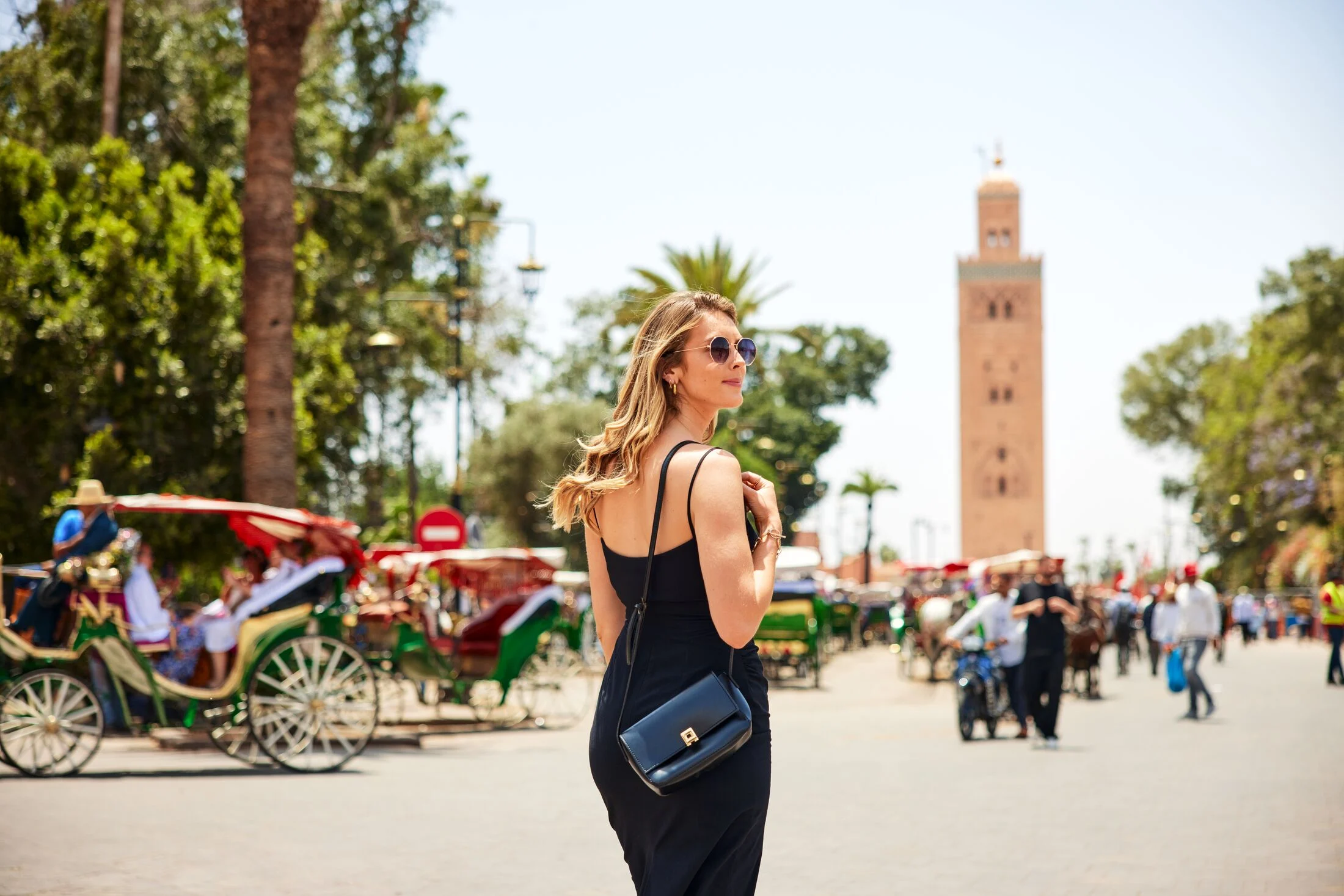
Is Morocco safe for tourists? Yes, for most travelers. Millions of visitors come every year, and serious problems are rare. However, like any busy destination, Morocco asks for normal care: watch your bag in crowds, book licensed guides, and dress with respect.
Quick answer: Morocco is generally safe, and the main risks are petty theft, pushy touts and traffic. In addition, the US State Department rates Morocco at Level 2, “exercise increased caution”, mainly because of the risk of terrorism. Therefore, check your own government’s advice before you go.
Is Morocco Safe for Tourists in 2027? What Governments Say
First, read the official advice for your country. The US State Department keeps Morocco at Level 2, the same level as many European countries. The UK Foreign Office also publishes detailed advice. Both mention areas to avoid near the Algerian border and in parts of Western Sahara. Those areas are far from the usual tourist routes.
See our selection: Custom Morocco tours
Meanwhile, Morocco has strong security services, and you will see police in medinas, at stations and near major sights.
The Real Risks for Visitors
Petty Theft
Pickpockets work in crowded places, such as Jemaa el-Fna in Marrakech and the souks of Fes. Therefore, keep your phone in a front pocket and use a cross-body bag.
Touts and Fake Guides
Some people offer to show you the way, and then ask for money. A polite “no, thank you” usually works. Instead of street guides, book a licensed local guide through your hotel or tour company.
Traffic and Roads
Driving can be hectic in cities, and mountain roads are narrow and winding. As a result, many visitors prefer a private driver, especially for long trips to the Sahara. Also, avoid driving on rural roads at night.
Health and Water
Drink bottled or filtered water, and be careful with raw salads at the start of your trip. Furthermore, bring travel insurance that covers medical care.
Is Marrakech Safe to Visit?
Yes, Marrakech is safe to visit for most travelers, and it is the most visited city in Morocco. The main annoyances are the same as in any busy tourist city: pickpockets in crowds, insistent sellers in the souks and people who offer to show you the way and then ask for money. Jemaa el-Fna square is lively until late and generally safe, but keep your phone and wallet in front pockets and agree on prices before you eat or take a photo with performers.
- Stay in a riad recommended by your tour company, inside or close to the medina.
- Book a licensed guide for your first walk in the souks.
- Use official taxis and agree on the fare first, or book a private transfer from the airport.
- At night, stay on the main lanes of the medina.
Planning your days in the city? Read 3 days in Marrakech and things to do in Marrakech.
Is Morocco Safe for Women and Solo Travelers?
Also, many women travel in Morocco alone or in pairs. However, unwanted comments can happen, especially in busy medinas. Dressing modestly, walking with confidence and ignoring remarks help a lot. Moreover, a private tour removes most of the stress, because your driver handles transport and directions.
Is Morocco Safe for Families?
Yes. Moroccans are warm with children, and families are welcome in riads, restaurants and desert camps. Moreover, for ideas by age, read our guide to Morocco with kids.
10 Safety Tips for Morocco
- Carry a copy of your passport, and keep the original in your hotel safe.
- Use ATMs inside banks or hotels.
- Agree on taxi prices before you ride, or ask for the meter.
- Book licensed guides for the medinas.
- Dress modestly, especially in villages and religious places.
- Ask before you photograph people.
- Keep valuables out of sight in crowded souks.
- Avoid driving at night outside the cities.
- Save the emergency numbers: police 19, ambulance and fire 15, gendarmerie (rural areas) 177.
- Share your plans with someone at home.
For more practical advice, see our Morocco travel tips for first-timers. If you travel in February or early March, also read about Ramadan in Morocco 2027.
How a Private Tour Makes Morocco Easier
In addition, a private tour gives you a local driver who knows the roads, the safe stops and the right guides. Therefore, you avoid the hassle of transport, touts and directions. Browse our private Morocco tours, or build your own route with our Morocco custom tours.
Common Tourist Scams and How to Avoid Them
Most problems travelers meet in Morocco are not dangerous, just annoying. Knowing the classic tricks in advance makes them easy to avoid.
- “The road is closed”: in the medinas, someone may tell you the way is closed and offer to guide you, often to a shop. Politely continue, or use an offline map.
- Unofficial guides: people offering to show you around for free usually expect a payment or a commission. Book a licensed guide instead; they carry an official badge.
- Henna in Jemaa el-Fnaa: some artists start drawing on your hand before agreeing on a price. Keep your hands to yourself unless you want henna, and agree on the price first.
- Taxis without a meter: in petit taxis, ask the driver to use the meter, or agree on the price before you get in.
- Photos with animals or performers: snake charmers and costumed water sellers expect a tip for photos, so ask first.
Safety City by City
Marrakech
The busiest tourist city, with the most hustle, but generally safe. Keep your belongings close in Jemaa el-Fnaa and the souks, especially in the evening crowds.
Fes
The medina of Fes is huge and easy to get lost in. A licensed guide for the first day makes the visit easier and safer; read our Fes medina guided tour guide.
Chefchaouen and the north
A calm and relaxed town, very popular with families and solo travelers. In the surrounding Rif, avoid accepting invitations from strangers and stay on well-known trails; read things to do in Chefchaouen.
The Sahara and the south
The desert is one of the safest and most peaceful parts of Morocco. The main risks are the sun, the heat in summer and the cold at night, so follow your guide’s advice and pack well; see what to pack for the Morocco desert.
Road Safety in Morocco
The roads between the main cities are generally good, but mountain passes such as the Tizi n’Tichka are winding, and driving at night can be risky because of poorly lit vehicles and animals on the road. This is one of the main reasons many travelers choose a private driver: our drivers know the roads, avoid driving after dark on mountain routes and adapt the plan to the weather. Read our guide to a private driver in Morocco.
Health and Food Safety
Moroccan food is delicious and generally safe, especially freshly cooked dishes such as tagines and grilled meat. To avoid stomach problems, drink bottled or filtered water, wash your hands often, be careful with raw salads in very simple places, and choose busy restaurants where food is fresh. In summer, drink plenty of water and protect yourself from the sun. Always travel with insurance that covers medical care.
Useful Emergency Numbers
- Police (in cities): 19
- Royal Gendarmerie (outside cities): 177
- Ambulance and fire: 15
In addition, save your hotel’s phone number and your driver’s or agency’s WhatsApp contact. On our tours, you can reach us at any time during your trip.
Why Travel Safely with Us
Since 2004, our agency, founded by guide Mohamed Azeroual and licensed by the Moroccan National Tourism Office, has welcomed travelers from all over the world, including families, solo women and seniors. With a private driver, licensed local guides and a direct contact during the whole trip, you can enjoy Morocco with peace of mind. Our travelers rate us 5.0 on Google, Viator and Trustpilot. Read also our Morocco travel tips for first-time visitors, and design your trip with our tailor-made tour form.
Private tour with a local driver, tailor-made route and a free quote within a few hours.
Is Morocco Safe for Tourists? FAQ
Is Morocco safe to visit right now?
Yes, for most travelers. Also, the US rates Morocco at Level 2, “exercise increased caution”. Still, check your own government’s latest advice before you book.
What is the biggest risk for tourists in Morocco?
Petty theft and pushy touts are the most common problems. Traffic is the other main risk, so a private driver is a good idea for long distances.
Is Marrakech safe at night?
Moreover, the main squares and streets are busy and lively at night. However, avoid dark, empty lanes, and use a taxi or your riad’s escort late in the evening.
Is the Sahara safe?
Yes. Desert camps near Merzouga are run by local teams who host visitors every night. Read our Merzouga desert guide for more.
Can I drink tap water in Morocco?
It is better to drink bottled or filtered water, especially in rural areas.
What are the emergency numbers in Morocco?
Police 19, ambulance and fire 15, and the gendarmerie in rural areas 177.
What are the emergency numbers in Morocco?
Police in cities: 19. Royal Gendarmerie outside cities: 177. Ambulance and fire: 15.
What are the most common scams in Morocco?
Fake “closed road” detours in the medinas, unofficial guides, henna started without a price, and taxis without a meter. They are annoying rather than dangerous.
Plan a Safe and Easy Trip
Ready to travel with peace of mind? Tell us your dates and your group size, and we’ll reply with a clear quote. Contact us, or check the best time to visit Morocco.

Planning your Morocco trip?
Tell us your dates and number of travelers and we will send you a private route with a price within a few hours.