Wondering what to pack for trekking in Morocco? Temperatures change a lot between the warm valleys and the high passes of the Atlas, so layers are the key. On our treks mules carry your main bag, and you walk with a small daypack. This list covers summer and winter.
Quick answer: pack light layers, a warm jacket, good boots, a headlamp, sun protection and a 20 to 30 liter daypack. In winter add crampons and an ice axe for Toubkal (rentable in Imlil). For the desert treks, see what to pack for the Morocco desert.
Packing by Season
| Book | Summer (Jun–Sep) | Winter (Dec–Mar) |
|---|---|---|
| Clothes | Light layers, fleece for nights | Thermal layers, down jacket, waterproof shell |
| Feet | Hiking boots | Warm boots compatible with crampons |
| Head and hands | Sun hat, sunglasses | Beanie, gloves, sunglasses |
| Toubkal extras | Headlamp | Crampons, ice axe, gaiters |
| Sleeping | Sleeping bag for gîtes and refuge | Warm sleeping bag (−10 °C) |
Read Toubkal in winter for snow conditions.
See our selection: Trekking in Morocco
The Essentials
Daypack
20 to 30 liters, with 2 liters of water, snacks, sun cream and a light jacket.
Main bag
A soft bag of up to 15 kg, carried by mules between gîtes and camps.
Health
Personal medicines, blister plasters, purification tablets and travel insurance.
Money
Cash in dirhams for drinks and tips; there are no ATMs in the mountains.
Packing by Season
- Spring and autumn: the best seasons; warm days, cool nights. A fleece and a light down jacket are enough.
- Summer: hot in the valleys but cool above 3,000 m. Sun protection and plenty of water matter most.
- Winter: snow on the high trails; you need warm layers and, for Toubkal, crampons and an ice axe. Read Toubkal in winter.
What Mules Carry and What You Carry
On our treks, mules carry the main luggage between villages and refuges, so you only walk with a daypack. Pack it with water, snacks, a warm layer, a rain jacket, sunscreen and your camera. Keep the main bag soft and under about 15 kg so it is easy to load.
Respectful Clothing in the Villages
The Atlas villages are conservative and welcoming. Shoulders and knees covered is a good rule when walking through villages or visiting a family home. See our trekking in Morocco page for routes.
Our Treks
Toubkal
See the Toubkal trek 2 days and read how to climb Toubkal.
Villages
The Atlas villages trek or the Imlil day hike.
Expeditions
The M’Goun trek or the Sahara desert trek.
Good to Know
- Dress modestly in villages: covered shoulders and knees.
- Sleeping bags and gear can be rented in Imlil.
- Leave unused luggage at your riad in Marrakech.
Packing by Trek: What Changes from One Route to Another
Day hikes from Marrakech
For a day in Imlil or the Ourika Valley, a light daypack is enough: walking shoes, a warm layer, a windproof jacket, sun protection, snacks and 1.5 liters of water. See the Imlil day hike from Marrakech.
Toubkal trek (2 or 3 days)
You sleep in a mountain refuge at about 3,200 meters, where nights are cold all year. Therefore, bring a warm sleeping bag or liner, a down jacket, gloves, a hat and a headlamp for the early summit start. In winter, crampons and an ice axe are essential; read Toubkal in winter and book the 3-day Toubkal trek.
M’Goun trek (6 days)
This longer route crosses rivers and high plateaus, so add water shoes or sandals for river crossings, extra socks, a quick-dry towel and a more complete first aid kit. Nights are spent in tents or simple gites. See the 6-day M’Goun trek and our guide to the Ait Bouguemez Happy Valley.
Sahara desert trek (3 days)
In the desert, protection from sun and sand comes first: a wide hat or a turban scarf, sunglasses with good UV protection, long light clothes, and lightweight shoes or sandals that let the sand out easily. Nights in the dunes are cool, so a fleece is still useful. Book the 3-day Sahara desert trek and read what to pack for the Morocco desert.
The Layering System for the Atlas
Mountain weather in Morocco changes quickly, and the difference between a sunny afternoon and a cold night can be more than 20 °C. That is why the layering system works best.
- Base layer: a moisture-wicking T-shirt in synthetic fabric or merino wool, never cotton for long treks.
- Mid layer: a fleece or light insulated jacket to keep warm during breaks and in the evening.
- Outer layer: a waterproof and windproof jacket for rain, wind and the high passes.
- Extra warm layer: a down jacket for nights at altitude and summit days.
In this way, you can add or remove layers as the day changes, instead of carrying heavy clothes.
Choosing the Right Footwear
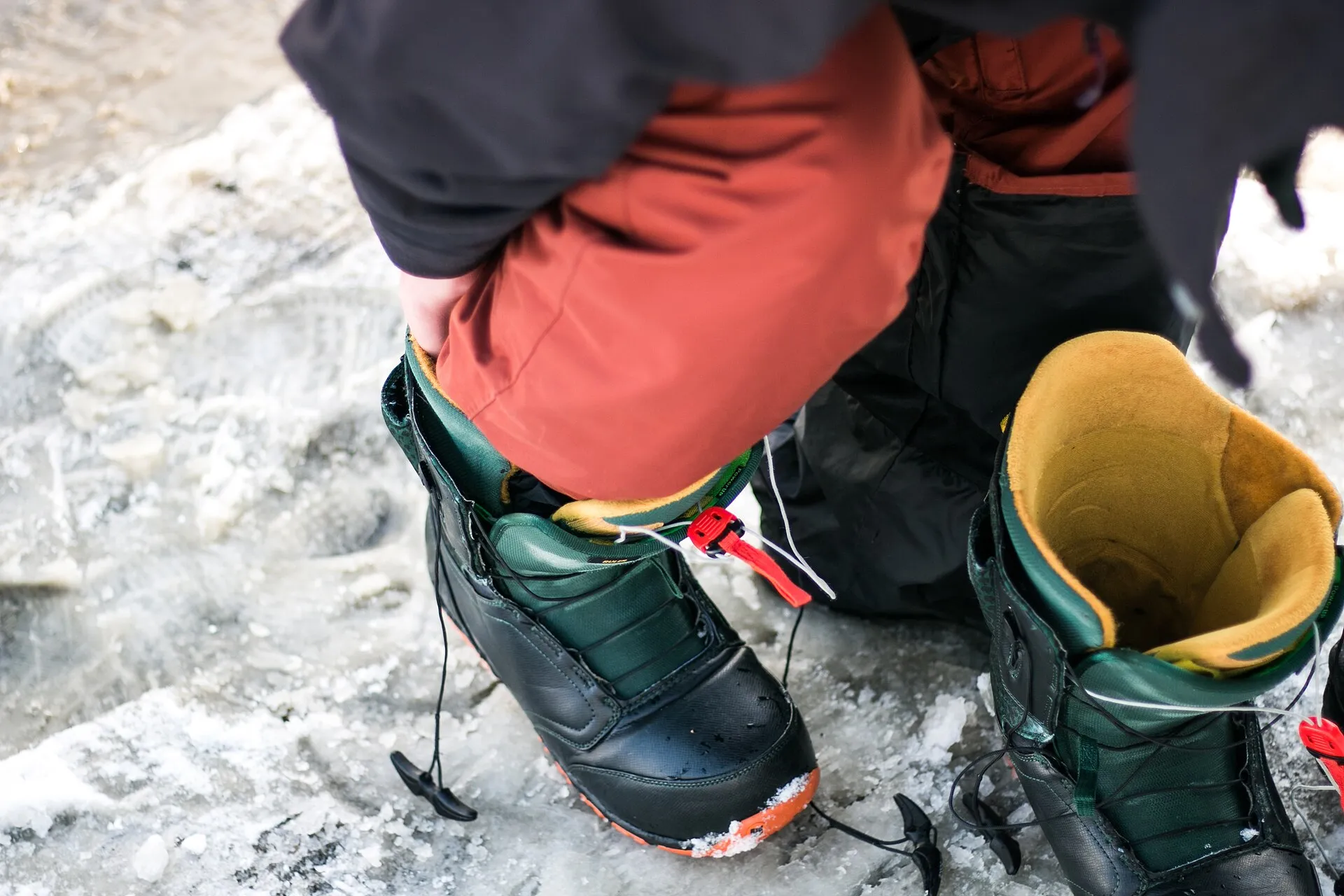
Good shoes are the most important item on any trek in Morocco. For the High Atlas, choose broken-in hiking boots with ankle support and a grippy sole, because trails are rocky and often loose. For easy village walks, sturdy trail shoes are enough. In addition, always bring a second pair of light shoes or sandals for the evening at the gite or refuge. Finally, never start a multi-day trek with brand-new boots, as blisters can spoil the whole experience.
Your Trekking First Aid Kit
- Blister plasters and sports tape
- Painkillers and anti-inflammatory tablets
- Oral rehydration salts, especially in summer and in the desert
- Medicine for stomach upsets
- Antiseptic wipes and a few bandages
- Personal medication, with a copy of the prescription
- High-factor sunscreen and lip balm
Your guide also carries a basic kit, but it is always better to have your own essentials.
Water, Food and Snacks
Water is available in the villages, gites and refuges, but we recommend a reusable bottle with a filter or purification tablets instead of buying many plastic bottles. Carry at least 1.5 to 2 liters per day, more in summer. Meals are prepared by your cook or by the guesthouses, but bring a few personal snacks you enjoy, such as dried fruit, nuts or energy bars, for the long uphill sections.
Electronics, Documents and Money
- Power bank: electricity is limited in refuges and camps.
- Headlamp with spare batteries: essential for evenings and early starts.
- Passport copy and travel insurance: make sure your insurance covers trekking at altitude.
- Cash in dirhams: for tips, drinks in the refuges and small purchases in the villages.
What Not to Bring
To keep your bag light, leave behind jewelry and valuables, heavy cotton clothes, large hard suitcases (a soft duffel bag is easier for the mules) and too many electronic devices. Remember that your main luggage can stay at your hotel in Marrakech or in the vehicle, and you only take what you need for the trek.
Renting Equipment in Morocco
If you do not want to travel with bulky gear, you can rent many items in Imlil, including sleeping bags, crampons, ice axes and trekking poles. Quality varies, so we always help our travelers rent from trusted shops and check the equipment before departure. Read our Imlil travel guide for more information.
Why Trek in Morocco with Us
Since 2004, our agency, founded by guide Mohamed Azeroual and licensed by the Moroccan National Tourism Office, has organized private treks across the Atlas Mountains and the Sahara. Before every trek, we send you a personalized packing list based on the route and the season, and our licensed local guides take care of the rest: mules, meals, accommodation and safety. Our travelers rate us 5.0 on Google, Viator and Trustpilot. Explore all our treks on the trekking in Morocco page, and for general travel information, visit the official Visit Morocco website.
In short, packing for a trek in Morocco is mostly about layers, good shoes and protection from the sun. Pack light, ask us for your route-specific list, and you will be ready to enjoy every step in the mountains or the dunes.
Private tour with a local driver, tailor-made route and a free quote within a few hours.
What to Pack for Trekking in Morocco FAQ
Do I need hiking boots?
Yes, boots with good grip are best on rocky Atlas trails.
Do I need a sleeping bag?
Yes for the refuge and camps; gîtes often provide blankets but a bag is more comfortable.
Can I rent gear in Morocco?
Yes, crampons, ice axes and sleeping bags can be rented in Imlil.
How heavy can my bag be?
Up to about 15 kg per person for the mules.
What should women wear in villages?
Loose clothes covering shoulders and knees are respectful and comfortable.
Can I rent trekking equipment in Morocco?
Yes. In Imlil you can rent sleeping bags, crampons, ice axes and poles. We help you choose trusted shops.
Do I need hiking boots for trekking in Morocco?
For the High Atlas, yes: broken-in boots with ankle support are best. Sturdy trail shoes are enough for easy village walks.
Plan Your Trek in Morocco
In short, pack layers, good boots and a small daypack, and leave the heavy lifting to the mules. Tell us your dates and we will prepare your trek.
Plan your trek: ask for a free quote, write to us on WhatsApp, or see all our treks in Morocco.