Morocco Tours 2026: The Complete Guide to Desert Trips, Culture and Luxury Travel
Morocco rewards travelers with an extraordinary combination of ancient history, vibrant culture, dramatic landscapes and modern hospitality. From the lively medinas of Marrakech and Fes to the peaks of the Atlas Mountains and the golden dunes of the Sahara, every region offers a different perspective on the country. Well-planned Morocco tours connect these contrasting environments while giving visitors enough time to appreciate the people, traditions and stories that make each destination distinctive.
In 2026, many travelers are looking for more than a conventional sightseeing itinerary. They want authentic conversations, locally owned accommodation, traditional cuisine and experiences that create a meaningful connection with the destination. This growing interest in slow and responsible travel makes Morocco Tours 2026 especially appealing. A carefully designed journey can combine famous attractions with peaceful villages, artisan workshops, desert landscapes and cultural encounters that are often missed on rushed group itineraries.
Why Morocco Tours Are Ideal for Cultural and Adventure Travel
Morocco’s geographical variety is one of its greatest strengths. In a single journey, visitors can explore an imperial city, cross a mountain pass, walk through a palm oasis and watch the sun set over Saharan dunes. The country’s architecture is equally diverse, ranging from decorated palaces and religious schools to fortified villages built from earth and straw. This variety allows Morocco tours to satisfy travelers interested in history, photography, food, architecture, hiking, wellness or outdoor adventure.
The country also offers a rich mixture of Amazigh, Arab, African, Andalusian and Mediterranean influences. These connections appear in local languages, music, clothing, architecture and cuisine. A knowledgeable guide can explain how historical trade routes, dynasties and regional communities shaped the Morocco visitors see today. Instead of treating each destination as an isolated attraction, a guided tour reveals the relationships between the imperial cities, mountain villages, southern kasbahs and ancient caravan routes.
Why 2026 Is a Good Year to Explore Morocco
Travel expectations continue to change, and visitors are increasingly interested in flexible itineraries rather than standardized packages. Private and small-group tours offer more control over departure times, accommodation categories, activities and the pace of the journey. This flexibility is particularly valuable in Morocco, where road journeys often pass through panoramic valleys, traditional villages and historical sites that deserve more than a quick photo stop.
Morocco is also continuing to develop its tourism services while promoting greater awareness of cultural and environmental preservation. Travelers can now choose from restored riads, family-run guesthouses, boutique kasbahs and comfortable desert camps. However, quality varies between providers, so careful research remains essential. Selecting reputable local businesses helps support regional employment while encouraging the protection of Morocco’s architecture, landscapes and living traditions.
Planning with a Professional Morocco Travel Agency
Choosing a reliable Morocco travel agency is one of the most important decisions when preparing a multi-destination journey. Independent travel is possible in major cities, but reaching remote desert locations and rural mountain communities often requires detailed coordination. A professional agency can organize private transportation, licensed guides, accommodation, meals and activities while accounting for road conditions, seasonal temperatures and realistic travel times.
Local expertise also improves the cultural value of the experience. A good agency does more than transport travelers between hotels and monuments. It introduces visitors to local communities, explains regional history and recommends experiences that match their interests. Whether you want a culinary journey, a photography tour, an architectural itinerary or a family desert adventure, a specialist can adapt the route without removing the destinations that define a complete Moroccan experience.
How to Create a Balanced Morocco Tour Itinerary
A successful itinerary should balance travel time with meaningful exploration. Morocco appears compact on a map, but mountain roads and desert routes can make journeys longer than expected. Trying to visit Marrakech, Fes, Chefchaouen, Essaouira and Merzouga in only a few days may result in more time inside a vehicle than at the destinations. A better plan focuses on a logical route and includes enough time for guided visits, local meals and spontaneous stops.
Travelers should also decide which experiences matter most before choosing a package. Some visitors prioritize imperial cities and architecture, while others prefer hiking, desert activities or coastal relaxation. Families may require shorter driving stages and flexible meal times, whereas photographers often want sunrise and sunset access. Communicating these priorities to your tour operator helps create a journey that feels personal instead of following a fixed schedule designed for every type of traveler.
Marrakech: The Starting Point for Many Morocco Tours
Marrakech is one of Morocco’s most popular gateways and an ideal place to begin a cultural or desert itinerary. The city combines historic monuments, traditional markets, contemporary restaurants and a wide range of accommodation. Within the medina, travelers can explore decorative palaces, peaceful gardens, lively souks and the famous Jemaa el-Fnaa square. The sounds, aromas and colors provide an energetic introduction to Moroccan urban life.
The city’s location also makes it a convenient starting point for the High Atlas Mountains, Ait Ben Haddou, Ouarzazate, Zagora and Merzouga. Travelers can choose a short day excursion, a two-day desert experience or a longer route that finishes in Fes. However, the distance between Marrakech and the major Sahara dunes should not be underestimated. Visitors who want to reach Merzouga should normally allow at least three days, although four or five days provide a more relaxed and rewarding experience.
Marrakech Desert Trips: From the Red City to the Sahara
Marrakech desert trips offer a remarkable transition from a busy imperial city to the open landscapes of southern Morocco. Most journeys leave Marrakech in the morning and climb into the High Atlas Mountains. As the road rises, city neighborhoods give way to valleys, terraced fields and remote villages. Panoramic stops reveal the scale of the mountains before the route crosses the Tizi n’Tichka pass and descends toward the pre-Saharan south.
The changing scenery is an essential part of the experience. Beyond the mountains, travelers encounter earthen kasbahs, rocky plateaus, palm groves and broad valleys shaped by old caravan routes. Depending on the itinerary, the journey may continue through Ouarzazate, the Dades Valley, the Todra Gorge or the Draa Valley. These destinations should not be treated only as stops on the way to the dunes because each one contributes to a fuller understanding of southern Morocco.
Crossing the High Atlas Mountains
The road across the High Atlas Mountains is among the most scenic sections of many Morocco tours. The Tizi n’Tichka pass reaches an elevation of more than 2,200 meters and connects Marrakech with Ouarzazate. Along the way, the road curves through rugged slopes and offers views of villages built to blend into the surrounding earth. Weather can change quickly at higher elevations, particularly during winter, so travelers should carry a warm layer even when Marrakech feels mild.
The High Atlas region is also home to Amazigh communities whose agricultural and architectural traditions have adapted to the mountain environment. Thoughtful tours may include stops at viewpoints, local cooperatives or small villages, but these visits should be conducted respectfully. Travelers should avoid photographing residents without permission and should purchase products only when genuinely interested. Responsible interactions create a more positive experience for both visitors and local communities.
Day Trip from Marrakech to Ait Ben Haddou
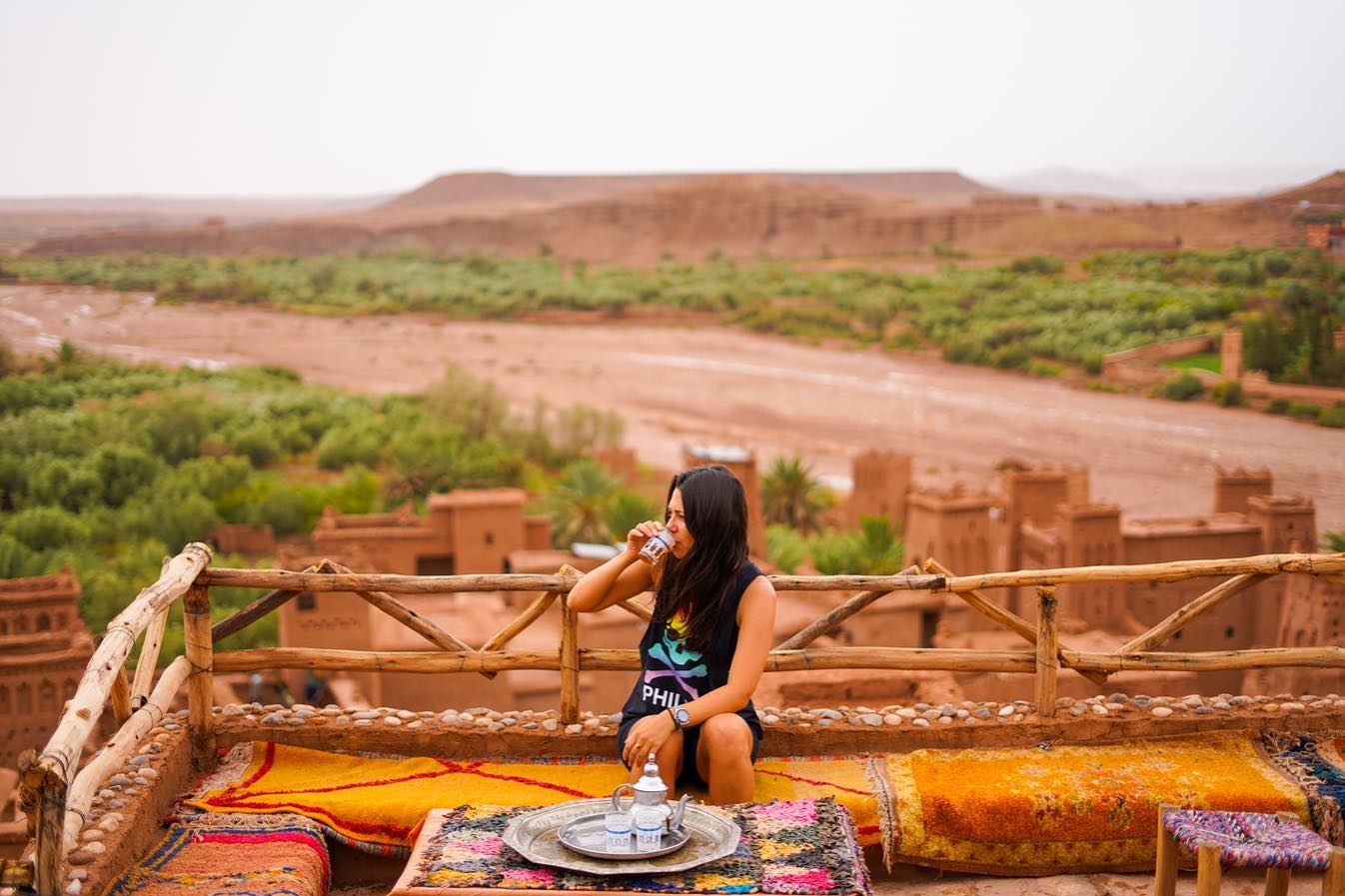
A day trip from Marrakech to Ait Ben Haddou introduces visitors to one of Morocco’s most recognizable architectural sites. Ait Ben Haddou is a fortified village, or ksar, built primarily from earth, clay, wood and straw. Its towers, narrow passages and communal buildings illustrate construction techniques developed for the climate of southern Morocco. The site was added to the UNESCO World Heritage List because of its cultural importance and its exceptional example of traditional earthen architecture.
Ait Ben Haddou is also known internationally as a filming location, but its historical importance extends far beyond cinema. The settlement occupied a strategic position along an old trade route connecting the Sahara with Marrakech. Visitors can cross the river, walk through the lower village and climb toward the hilltop granary for views across the Ounila Valley. The return journey to Marrakech is long, so travelers should leave early and prepare for several hours of mountain driving.
What to See During an Ait Ben Haddou Excursion
The most rewarding way to explore Ait Ben Haddou is on foot with a local guide who can explain how the buildings were organized and maintained. The lower passages reveal traditional houses, storage areas and defensive features, while the higher sections provide broad views over the valley. Some families continue to live in or maintain parts of the old ksar, reminding visitors that the site is not simply a decorative film set but part of a living cultural landscape.
Travelers with more time can combine Ait Ben Haddou with the Ounila Valley or Telouet Kasbah. This alternative route provides additional mountain scenery and insight into the region’s political history. Visitors can also continue to Ouarzazate rather than returning immediately to Marrakech. Spending a night in the area creates a slower experience and makes it possible to see Ait Ben Haddou in the softer light of the late afternoon or early morning.
Ouarzazate Desert Tours: Gateway to Southern Morocco
Ouarzazate is often described as the “Door of the Desert” because of its location between the Atlas Mountains and Morocco’s southern valleys. The city provides modern services, hotels and restaurants before travelers continue toward more remote destinations. Its best-known attractions include the Taourirt Kasbah and nearby film studios, where sets and landscapes have been used in international productions. The city’s real importance, however, lies in its strategic position at the meeting point of several desert routes.
A variety of Ouarzazate desert tours are available for travelers with different schedules. Popular options include a 2 Days Tour from Ouarzazate to Merzouga Desert, a 2 Days Tour from Ouarzazate to Zagora Desert and a 4 Days Tour from Ouarzazate to Merzouga via Zagora. The two-day programs are suitable for travelers with limited time, while the four-day route allows for more cultural stops, slower driving stages and a deeper exploration of the southern landscape.
Choosing Between Merzouga and Zagora from Ouarzazate
Merzouga and Zagora provide different desert experiences. Merzouga is located beside Erg Chebbi, where tall orange dunes create the classic Sahara scenery seen in travel photography. Reaching Merzouga from Ouarzazate requires a longer drive, but the destination is well suited to camel trekking, luxury desert camping and 4×4 exploration. A two-day tour is possible, although the schedule will be intensive and include substantial driving on both days.
Zagora is closer to Ouarzazate and is often selected for a shorter desert trip. Its surrounding landscape includes palm groves, rocky terrain and smaller sandy areas rather than the high dunes of Erg Chebbi. The destination still provides an attractive introduction to southern Morocco, especially when combined with the Draa Valley. Travelers who consider large dunes essential should choose Merzouga, while those with limited time may find Zagora more practical.
Exploring Skoura, the Valley of Roses and the Dades Valley
The Skoura oasis is one of the first major landscapes east of Ouarzazate. Its palm groves conceal earthen villages, farms and historic kasbahs, including the well-known Kasbah Amridil. Walking or cycling through the oasis allows visitors to see traditional irrigation systems and agricultural life. Skoura is especially appealing to travelers seeking a peaceful overnight stop away from the faster pace of the main tourism centers.
Farther east, the Valley of Roses and Dades Valley reveal another side of southern Morocco. The rose-growing region becomes particularly colorful during the spring harvest, while the Dades area is known for unusual rock formations, deep valleys and dramatic roads. These landscapes make the journey to Merzouga more than a transfer between Marrakech and the Sahara. Adding an overnight stay provides time for short walks, village visits and photography in the evening light.
The Draa Valley and the Road to Zagora
The Draa Valley stretches south from the mountains toward Zagora and M’hamid. Its long ribbon of date palms, villages and agricultural fields creates a striking contrast with the dry mountains on either side. Historically, the valley formed part of an important caravan corridor leading toward the Sahara. Fortified settlements and old kasbahs still reflect the commercial and defensive role of the region.
Travelers following this route can stop in villages, explore palm groves or visit pottery workshops in Tamgrout. The area around Zagora provides accessible desert scenery, while M’hamid marks the beginning of more remote Saharan terrain. From there, specialized 4×4 tours can continue toward Erg Chigaga. This region is less convenient than Merzouga but may appeal to travelers who value isolation and rugged landscapes over easy access.
Merzouga and the Erg Chebbi Dunes
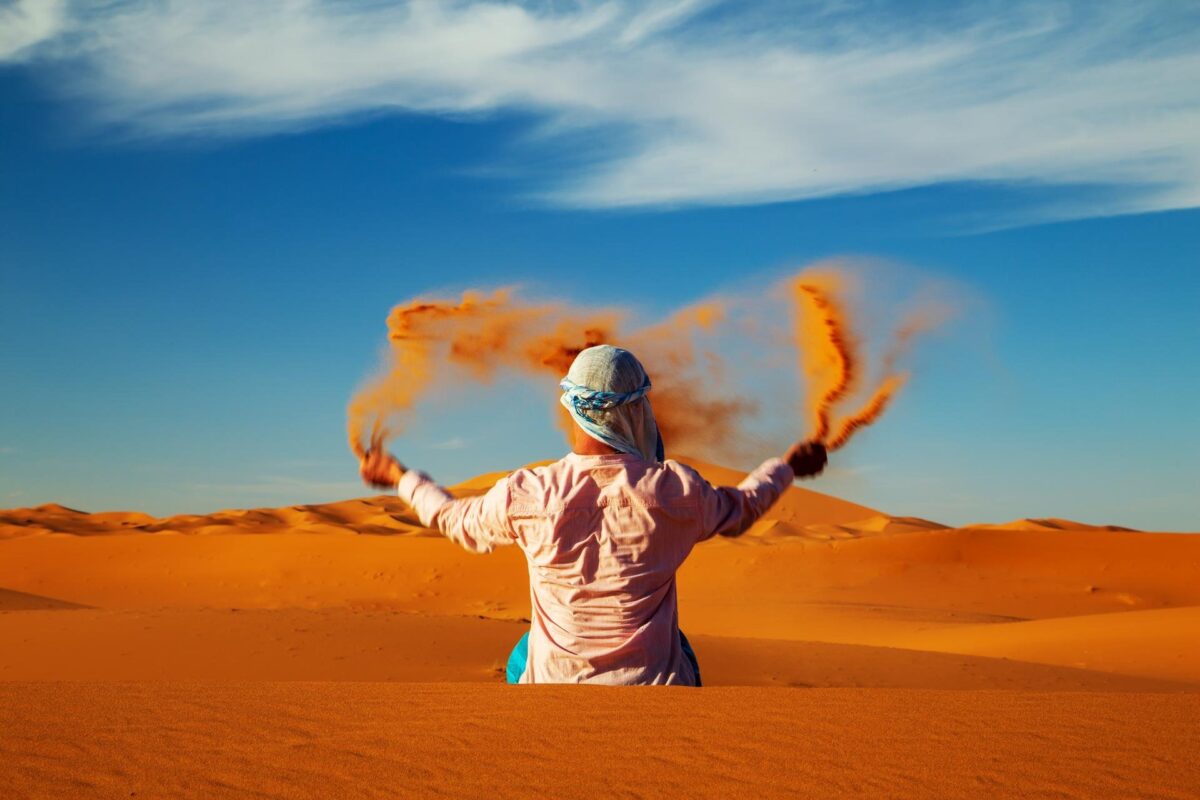
Merzouga is a small desert destination located beside Erg Chebbi, one of Morocco’s most famous dune systems. The dunes rise dramatically from the surrounding flat landscape and change color throughout the day. Morning light often produces soft gold tones, while sunset adds deeper shades of orange, red and violet. The area has become a central destination for Morocco tours because it combines accessible dunes with a wide selection of camps, guesthouses and desert activities.
Although the dunes are the main attraction, Merzouga offers more than a single camel ride. Visitors can explore nearby villages, listen to regional music, visit seasonal lakes, travel across rocky desert landscapes and learn about local nomadic heritage. Spending at least two nights in the area creates enough time for different activities without rushing. It also provides a backup opportunity for sunset or sunrise if weather conditions reduce visibility on the first day.
Luxury Sahara Desert Camp Merzouga
Staying at a luxury Sahara desert camp Merzouga is one of the most memorable ways to experience Erg Chebbi. Modern luxury camps generally offer spacious private tents, comfortable beds, electricity and en-suite bathrooms. Some provide hot showers, heating, cooling systems and restaurant-style dining. However, standards differ considerably, so travelers should confirm exactly what is included before booking rather than relying only on the word “luxury.”
The setting is as important as the accommodation. After reaching the camp by camel or 4×4, guests can watch the sunset, enjoy Moroccan food and listen to traditional music around the fire. Once the camp grows quiet, the desert sky becomes the main attraction. Light pollution is usually limited, making clear nights ideal for stargazing. The following morning, travelers can climb a nearby dune to watch the first light spread across the sand.
How to Choose a Responsible Desert Camp
Comfort should not be the only criterion when selecting a Sahara camp. Responsible operators manage water carefully, reduce plastic waste and avoid leaving rubbish in the dunes. Solar energy, refillable water systems and controlled waste collection are positive signs. Travelers can ask how the camp treats wastewater and whether its staff members come from nearby communities. Transparent answers indicate that the operator takes environmental responsibility seriously.
Camp location also affects the quality of the stay. Some properties are close to roads and other camps, while others provide greater privacy. A remote location may feel more authentic, but it can require a longer transfer. Travelers should also ask whether music finishes at a reasonable hour and whether activities are shared with large groups. The best camp is not necessarily the most expensive; it is the one that matches your expectations for comfort, atmosphere and sustainability.
4×4 Sahara Desert Adventure Morocco
A 4×4 Sahara desert adventure Morocco allows travelers to explore areas beyond the main camps and camel routes. Experienced local drivers navigate sandy tracks, rocky plains and dry riverbeds while adapting the route to current conditions. Excursions may include panoramic viewpoints, fossil areas, seasonal oases, old mining locations and villages around Erg Chebbi. The diversity of the terrain demonstrates that the Sahara is not composed entirely of sand dunes.
Many tours also include a visit to Khamlia, a village known for its musical traditions, or an arranged meeting with nomadic families. These encounters should be handled respectfully and should benefit the participating community. Visitors should remember that local homes are not tourist attractions. A responsible guide explains the context, requests permission before photography and avoids creating situations that feel intrusive or staged.
Responsible Off-Road Exploration in the Sahara
Off-road travel offers access to remote landscapes, but it must be managed carefully. Drivers should follow established tracks where possible and avoid damaging vegetation or sensitive dune areas. Excessive speed can disturb wildlife, create safety risks and reduce the peaceful atmosphere that attracts people to the desert. Professional operators focus on exploration rather than using the Sahara as an unrestricted driving playground.
Travelers can support responsible behavior by choosing licensed guides and refusing tours that promote dangerous dune driving. Seat belts, vehicle maintenance and emergency communication equipment should be standard. A quality 4×4 excursion combines adventure with education, giving visitors a broader understanding of the region’s geography, history and communities. The goal should be to appreciate the desert without leaving unnecessary traces behind.
Private Camel Trekking Erg Chebbi
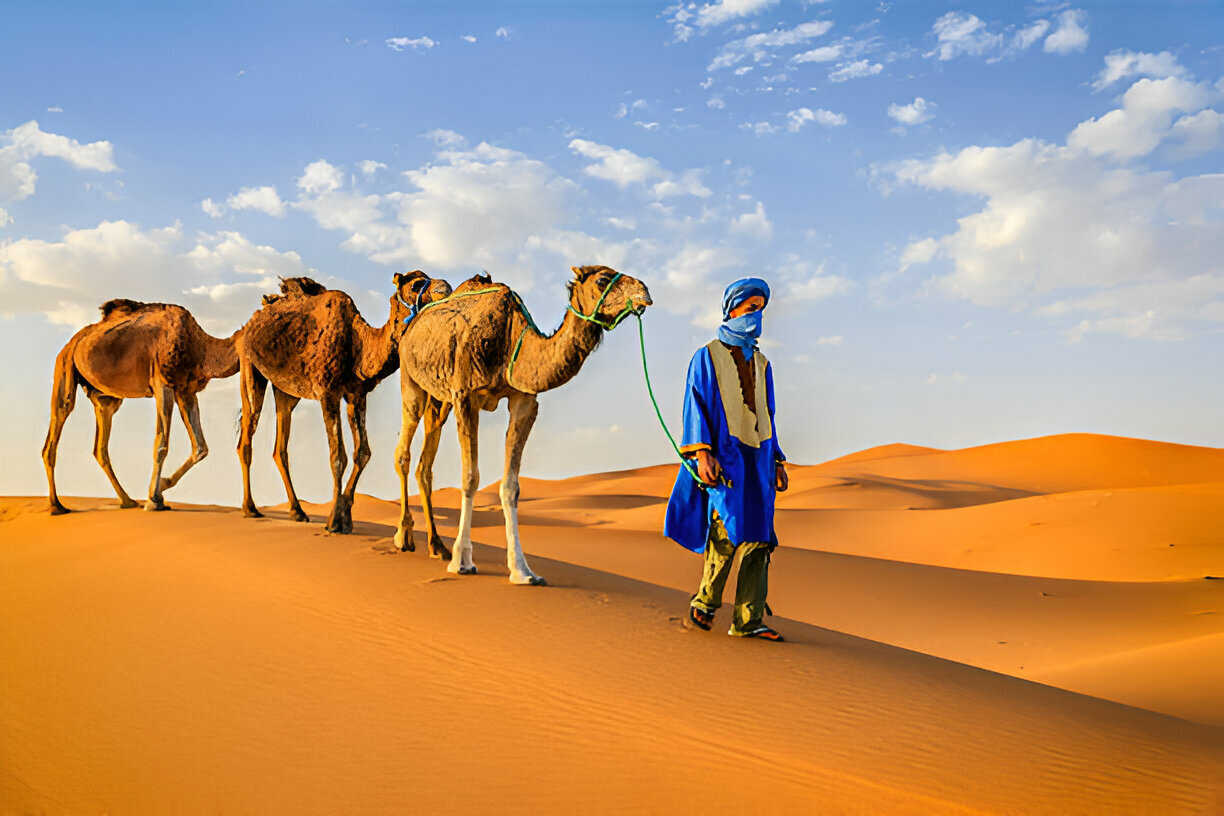
Private camel trekking Erg Chebbi provides a quieter and more traditional way to enter the dunes. Most excursions use dromedaries, which are adapted to the climate of North Africa. The slow pace allows travelers to observe the patterns of the sand and the changing light along the dune crests. Sunset and sunrise departures are especially popular because temperatures are cooler and the landscape is more photogenic.
A private trek offers greater flexibility than joining a large caravan. Couples, families and photographers can adjust the pace, stop for pictures and spend more time in quiet areas. Travelers should ask about animal welfare before booking. Healthy animals should have appropriate rest, water and equipment, and guides should avoid overloading them. Anyone uncomfortable riding can choose to walk beside the caravan or reach the camp by 4×4.
Cultural Encounters Beyond the Main Attractions
The most meaningful Morocco tours create opportunities to understand daily life rather than focusing only on monuments. Travelers may meet artisans, visit a family-run cooperative, share tea in a village or join a cooking workshop. These activities become more valuable when they are small, respectful and based on genuine exchange. A local guide can translate conversations and explain customs that visitors might otherwise misunderstand.
Morocco’s cultural diversity should also be presented accurately. The term Amazigh is widely used for the Indigenous communities of North Africa, although many tourism materials still use the word Berber. Languages, clothing, music and architecture vary between regions, and no single encounter represents the entire country. Listening to local people and avoiding simplistic descriptions creates a more informed and respectful travel experience.
Slow Travel and Sustainable Morocco Tours
Slow travel does not necessarily mean spending several weeks in one destination. It means designing a schedule that allows visitors to experience places instead of only collecting photographs. Two nights in a valley or desert village can provide time for a walk, a conversation and a relaxed meal. By contrast, an overloaded itinerary may include more destinations but create fewer meaningful memories.
Sustainable Morocco tours should also direct economic benefits toward local communities. Staying in locally managed accommodation, hiring regional guides and purchasing authentic crafts can support families and preserve traditional skills. Travelers should avoid bargaining so aggressively that artisans receive an unfair price. Responsible tourism is not about refusing comfort; it is about making informed choices that respect the environment, local culture and people who provide the experience.
Moroccan Food as Part of the Travel Experience
Moroccan cuisine reflects the country’s geography, trade history and cultural influences. Tagines, couscous, pastilla, harira and regional breads appear in different forms throughout the country. In southern Morocco, meals may include dates, almonds, local vegetables and slowly cooked meat. Mint tea is a symbol of hospitality, although the amount of sugar can vary. Trying regional dishes helps travelers understand the agricultural products and traditions of each destination.
A culinary experience can include a market visit, bread-making demonstration or private cooking class. These activities are especially valuable when led by local cooks who explain the role of spices, seasonal ingredients and family recipes. Vegetarian food is widely available, but travelers with allergies or strict dietary requirements should communicate clearly in advance. A professional Morocco travel agency can notify hotels, camps and restaurants before arrival.
Riads, Kasbahs and Other Moroccan Accommodation
Accommodation is an important part of the atmosphere of a Moroccan journey. In historic cities, many travelers choose riads organized around a central courtyard. These properties often feature decorative plaster, carved wood, mosaic tiles and rooftop terraces. Riads range from simple guesthouses to luxury hotels, and their small size usually provides a more personal experience than a large international property.
In the south, visitors can stay in restored kasbahs, oasis lodges, mountain guesthouses and desert camps. Each category offers a different balance of authenticity and comfort. Historic buildings may have narrow stairs or limited accessibility, while remote desert properties may have restricted electricity or internet access. Travelers should discuss mobility, connectivity and room requirements with their tour operator before confirming the reservation.
Best Time to Book Morocco Tours in 2026
Spring and autumn are generally the most comfortable seasons for a multi-region Morocco itinerary. From March to May, valleys can be green, mountain temperatures are pleasant and desert heat is usually manageable. September through November also provides favorable conditions for sightseeing, hiking and Sahara activities. These periods are popular, so desirable riads, guides and luxury camps may require early booking.
Summer can be extremely hot in Marrakech, Ouarzazate and the desert, although coastal destinations and higher mountain areas remain more moderate. Winter offers mild daytime conditions in many southern regions, but nights can be very cold in the mountains and Sahara. Snow may affect high routes during severe weather. Travelers should also check the dates of Ramadan and national holidays because opening hours and daily routines may change.
How Many Days Do You Need for a Morocco Tour?
The ideal length depends on the arrival city and the number of regions included. Three or four days are enough for a focused Marrakech desert trip, but the schedule will involve substantial driving. Seven days can combine Marrakech, the High Atlas, Ait Ben Haddou, Ouarzazate and Merzouga. Travelers wishing to add Fes should consider an eight- to ten-day itinerary so that the journey does not feel excessively rushed.
A two-week tour creates space for imperial cities, the Sahara, mountain landscapes and the Atlantic coast. It also allows occasional free time, which is often missing from shorter packages. Visitors with limited time can reduce driving by flying into one city and departing from another. For example, a tour can begin in Marrakech, cross the desert and finish in Fes instead of returning along the same route.
A Suggested 10-Day Morocco Tours 2026 Itinerary
A balanced ten-day journey can begin with two nights in Marrakech. The first day allows time to arrive, rest and explore Jemaa el-Fnaa, while the second can include a guided medina tour. On day three, the route crosses the High Atlas Mountains and visits Ait Ben Haddou before continuing to Ouarzazate or Skoura. Day four explores the Valley of Roses and Dades Valley, with time for scenic stops and a short walk.
On day five, travelers continue through the Todra region and reach Merzouga for a desert camp experience. Day six can include a 4×4 exploration and a second night near the dunes. On day seven, the route heads north toward the Ziz Valley and Midelt. The final days can be spent discovering Fes with a licensed guide before departure. This route combines two imperial cities, mountain scenery, kasbahs and the Sahara without repeating the same road.
Private Tours, Group Tours and Luxury Travel
Private tours offer the highest degree of flexibility. Travelers can select departure times, accommodation categories and activities while adjusting the pace during the journey. This option is especially useful for families, couples, photographers and visitors with specific interests. Private travel usually costs more than a shared tour, but the additional control and personal attention can significantly improve the experience.
Small-group tours can provide better value and a social atmosphere, although they generally follow a fixed schedule. Luxury Morocco tours add premium accommodation, upgraded vehicles, private guides and exclusive experiences. However, luxury should be evaluated carefully because labels are not standardized. The quality of the guide, vehicle and itinerary is often more important than decorative extras or promotional language.
Practical Travel Tips for Morocco
Driving distances should be reviewed before booking any tour. A route that appears short on a map may take several hours because of mountain roads, village traffic or scenic stops. Travelers who experience motion sickness should carry suitable medication and request a seat with good visibility. Regular breaks are important, particularly for children and older travelers.
Cash remains useful in rural areas, small shops and local markets, although cards are accepted in many hotels and urban restaurants. Mobile coverage is available across much of the country, but signal strength can be limited in mountains and remote desert areas. Purchasing a local SIM or eSIM may be convenient. Travelers should also carry printed or offline copies of important reservations and contact details.
What to Pack for Marrakech and the Sahara
Layers are essential because temperatures can change significantly between cities, mountains and desert camps. Useful items include comfortable walking shoes, a light jacket, a warm evening layer, sunglasses, sunscreen and a reusable water bottle. A scarf can provide protection from sun, wind and dust. Travelers visiting in winter should bring warmer clothing for desert nights and high-altitude routes.
A small day bag is practical for valuables, medication and camera equipment. Soft luggage may be easier to transport than large hard-shell suitcases, especially when staying in medina riads or desert camps. Power banks are useful in remote locations, while protective cases help keep sand away from electronics. Travelers should avoid packing unnecessary valuables and should keep passports and money secure.
Safety, Etiquette and Respectful Travel
Morocco is a well-established tourism destination, but normal travel precautions remain important. Visitors should use licensed transportation, protect personal belongings in crowded areas and avoid following unofficial guides. Travel insurance should cover medical care, trip interruption and planned activities. Travelers with health concerns should discuss desert heat, long drives and high-altitude routes with a medical professional before departure.
Respectful clothing is appreciated, particularly in rural communities and religious areas. Visitors do not need to copy local dress, but shoulders and knees should generally be covered outside resorts and beach locations. Public affection should remain discreet, and permission should be requested before photographing people. Learning simple greetings in Arabic or Tamazight can create warmer interactions and demonstrate cultural interest.
How to Choose the Best Morocco Travel Agency
Begin by examining the level of detail in the proposed itinerary. A reputable agency should explain daily driving times, accommodation categories, included meals and optional activities. It should also identify whether guides are licensed and whether the vehicle is private or shared. Vague descriptions such as “luxury hotel” or “premium camp” should be supported with property names, room types and specific facilities.
Travelers should compare value rather than looking only at the lowest price. Ask about cancellation conditions, payment methods, emergency support and what happens if weather affects the route. Recent reviews can be helpful, but they should be read across several platforms. A professional agency communicates clearly, answers questions directly and avoids pressuring visitors into making an immediate payment.
Questions to Ask Before Booking Morocco Tours
Before confirming a tour, ask whether airport transfers, entrance fees, local guides, drinks and gratuities are included. Confirm if the desert camel ride is private or shared and whether a 4×4 transfer is available. Travelers should also check if the camp bathroom is private, whether hot water is reliable and how luggage will reach the accommodation.
It is equally important to ask how the itinerary can be adjusted. Weather, traffic and personal energy levels sometimes require changes, especially on longer trips. Find out whether the driver can add stops or shorten activities when necessary. Clear expectations reduce misunderstandings and help both the traveler and agency deliver a smoother experience.
Frequently Asked Questions About Morocco Tours 2026
1. What is the best time for Morocco desert tours?
Spring, particularly from March to May, and autumn, from September to November, generally provide the most comfortable conditions. Daytime temperatures are usually suitable for walking, sightseeing, camel trekking and 4×4 excursions.
Winter can also be pleasant during the day, but desert nights may become very cold. Summer is possible with careful planning, although afternoon heat can be intense and activities may need to take place early in the morning or near sunset.
2. How long does a Marrakech desert trip take?
A trip from Marrakech to Zagora can be completed in two days, but the schedule is relatively fast. Reaching Merzouga usually requires at least three days because of the distance and mountain roads.
A four- or five-day Marrakech to Merzouga tour is more comfortable. The additional time allows visitors to explore Ait Ben Haddou, Ouarzazate, the Dades Valley and Todra without spending nearly every hour in transit.
3. Is a luxury Sahara desert camp in Merzouga comfortable?
Many luxury camps provide proper beds, private bathrooms, hot showers, electricity and high-quality meals. Some also offer heating or cooling, although facilities vary between camps.
Travelers should request exact information and recent photos before booking. It is also important to remember that the camp remains in a remote desert environment, so water pressure, internet access and electricity may not match an urban five-star hotel.
4. What is included in a 4×4 Sahara desert adventure?
A typical excursion includes a professional driver, off-road transportation and visits to landscapes around Erg Chebbi. Stops may include rocky desert areas, panoramic viewpoints, villages, fossil locations and seasonal oases.
Meals, drinks, community visits and entrance fees vary by operator. Travelers should review the inclusions in writing and confirm how long the excursion lasts before making a reservation.
5. Do I need a Morocco travel agency?
Independent travel is manageable in cities such as Marrakech, Fes, Rabat and Casablanca. Trains and buses connect many urban destinations, and accommodation can be booked online.
An agency becomes particularly useful for desert routes, private transportation and multi-city journeys. Local support can simplify logistics and provide access to qualified guides, suitable accommodation and remote experiences.
6. Why is Ait Ben Haddou special?
Ait Ben Haddou is an outstanding example of southern Moroccan earthen architecture and is protected as a UNESCO World Heritage site. Its fortified buildings illustrate the traditional organization of settlements along former caravan routes.
The ksar is also famous for its association with international film productions. However, visitors should look beyond its cinematic reputation and appreciate its architectural, historical and cultural importance.
7. Is Merzouga better than Zagora?
Merzouga is generally the better choice for travelers who want tall golden dunes and the classic Sahara landscape. Erg Chebbi also offers a broad selection of camps, camel treks and 4×4 activities.
Zagora is closer to Marrakech and Ouarzazate, making it more practical for short trips. Its landscape is attractive but includes more rocky and palm-filled terrain, with smaller sandy areas than Merzouga.
8. Are Morocco desert tours suitable for children?
Desert tours can be suitable for children when the itinerary includes reasonable driving stages, regular breaks and appropriate accommodation. Families should choose private tours when possible because they provide greater flexibility.
Parents should consider heat, cold nights, food preferences and the child’s tolerance for long drives. Camel rides can be shortened, and most camps can also be reached by 4×4.
9. Can older travelers visit the Sahara?
Older travelers can enjoy the Sahara if the tour is adapted to their mobility and health requirements. A 4×4 transfer can replace camel trekking, and accessible rooms may be requested near the dunes.
Travelers should ask about stairs, uneven ground and the distance between tents and dining areas. Historic riads and kasbahs do not always have elevators, so accommodation selection requires careful planning.
10. What should I wear during Morocco tours?
Lightweight, breathable and modest clothing is practical for most of the journey. Long trousers, loose shirts, comfortable shoes and sun protection work well in cities and rural areas.
Warm layers are necessary for winter, mountain routes and desert nights. A scarf is useful throughout the year because it can protect against sun, wind and dust.
Conclusion: Plan an Authentic Morocco Tour in 2026
Morocco is one of the few destinations where history, adventure, culture and comfort can be combined within a single itinerary. The lively streets of Marrakech, the dramatic High Atlas Mountains, the earthen architecture of Ait Ben Haddou and the peaceful dunes of Merzouga each reveal a different dimension of the country. The best Morocco tours connect these destinations at a pace that allows visitors to appreciate the journey as much as the final attraction.
Whether you choose private camel trekking in Erg Chebbi, a 4×4 Sahara expedition, an Ouarzazate desert tour or a night in a luxury Merzouga camp, thoughtful planning will make the experience more meaningful. Working with a professional local agency can transform a standard holiday into a personal journey shaped by authentic hospitality, regional knowledge and responsible travel. Morocco does not simply invite people to see its landscapes; it encourages them to understand the culture and communities that give those landscapes their identity.