
8-Day Morocco Itinerary: Marrakech to Tangier via the Sahara & Imperial Cities
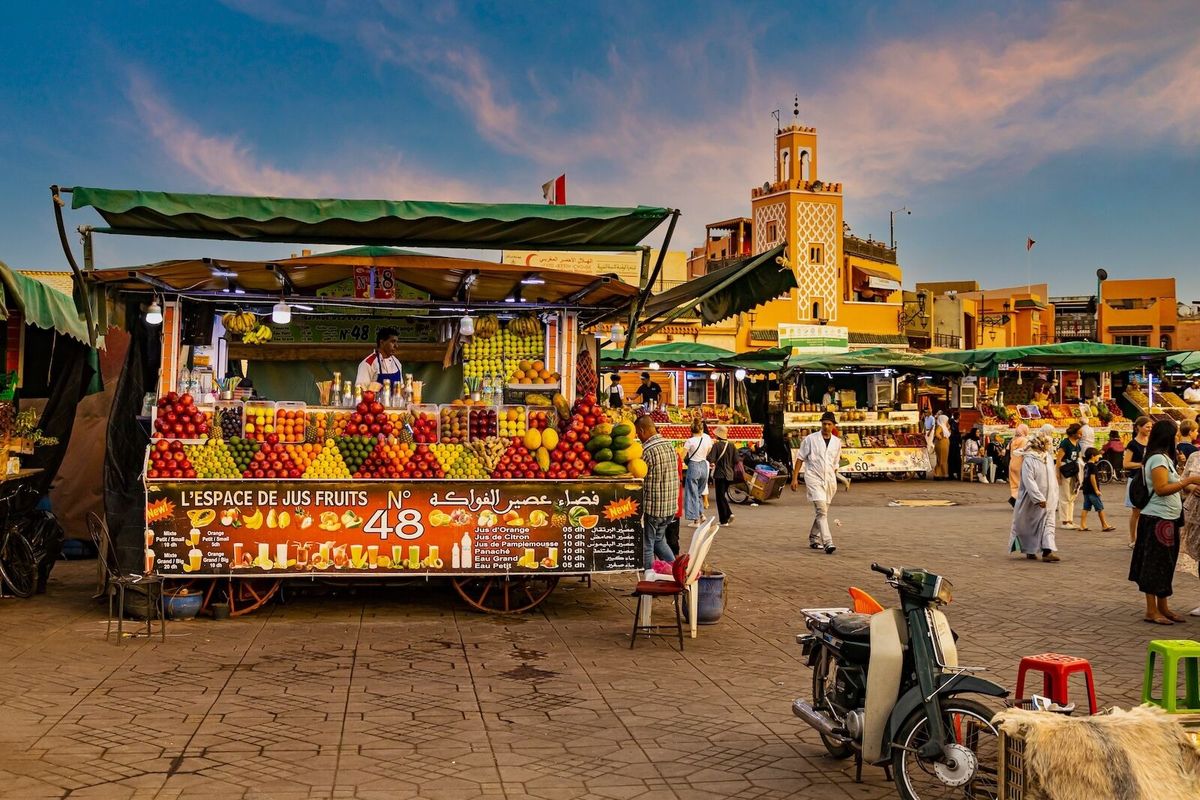
Traversing Morocco from the vibrant southern hubs to the Mediterranean coast is undoubtedly one of Northern Africa’s legendary road trips. Indeed, connecting Marrakech to Tangier via the High Atlas Mountains, the Sahara Desert, and the northern Imperial Cities packs thousands of years of history, changing ecosystems, and distinct regional cultures into a single journey.
However, executing this cross-country route in 8 days requires careful logistical balance. This is because the distance covers over 1,200 kilometers across winding mountain passes, desert tracks, and highway corridors. Consequently, without clear planning regarding daily driving durations, key stopping points, and route logistics, travelers risk spending their entire journey stuck in transit rather than experiencing the destination.
Therefore, this comprehensive 8-day itinerary provides a field-tested, day-by-day roadmap. Specifically, it details actual transit times, exact road distances, strategic stopping points, regional highlights, and practical planning insights to ensure a seamlessly organized Moroccan expedition.
Route Overview & Essential Travel Metrics
Overall, choosing a linear south-to-north route effectively eliminates geographic backtracking. As a result, you can easily experience the High Atlas Mountains, the ancient Kasbah trail, the Erg Chebbi dunes, the medieval medina of Fes, the Roman ruins of Volubilis, and the blue streets of Chefchaouen before ultimately ending in Tangier.
Fast Facts: Marrakech to Tangier Route
- Total Route Distance: Approximately 1,250 – 1,350 kilometers (depending on local side excursions).
- Total Driving Time: Typically 22 to 25 hours spread across 8 days.
- Optimal Travel Months: Specifically, March to May (Spring) and September to November (Autumn) offer comfortable desert temperatures and clear mountain passes.
- Primary Transport Mode: Furthermore, a private air-conditioned 4×4 or transport van with a dedicated driver is strongly recommended over self-driving due to mountain pass maneuvers and desert off-road sections.
8-Day Itinerary Snapshot
- Day 1 (Marrakech to Ouarzazate): First, cross Tizi N-Tichka Pass, explore Telouet Kasbah, and visit Ait Ben Haddou. Distance: 200 km (~4.5 hours). Overnight: Ouarzazate.
- Day 2 (Ouarzazate to Dades Valley): Next, discover Taourirt Kasbah, Amridil Kasbah, Rose Valley, and the Monkey Fingers formation. Distance: 140 km (~2.5 hours). Overnight: Boumalne Dades.
- Day 3 (Dades Valley to Merzouga): Then, journey through Todra Gorge, see Erfoud Fossils, and enjoy an Erg Chebbi Sunset Camel Trek. Distance: 270 km (~4 hours). Overnight: Erg Chebbi Luxury Camp.
- Day 4 (Merzouga Desert Circuit): Meanwhile, experience a Nomad Tent Encounter, enjoy Khamlia Gnaoua Music, and take an Oasis Walk. Distance: 80 km (~2 hours off-road). Overnight: Merzouga Desert Hotel.
- Day 5 (Merzouga to Fes): Afterward, drive past Ziz Valley Overlook, Midelt, Azrou Cedar Forest, and Ifrane. Distance: 460 km (~7.5 hours). Overnight: Fes Medina Riad.
- Day 6 (Fes Medina Exploration): On this day, tour the Royal Palace Gates, Chouara Tanneries, and Al Attarine Madrasa during a full-day walking tour. Overnight: Fes Medina Riad.
- Day 7 (Fes to Chefchaouen): Subsequently, visit Imperial Meknes Monuments, Volubilis Roman Ruins, and travel through the Rif Mountains. Distance: 260 km (~4.5 hours). Overnight: Chefchaouen.
- Day 8 (Chefchaouen to Tangier): Finally, enjoy Blue Medina Photography, a scenic Rif Mountain Drive, and a Port/Airport Drop. Distance: 115 km (~2 hours). Departure: Tangier.
Day 1: Marrakech to Ouarzazate via Tizi N-Tichka & Ait Ben Haddou
Your cross-country expedition officially begins by leaving the flat plains of Marrakech and ascending gradually into the High Atlas Mountain range. Naturally, the primary destination for the day is Ouarzazate, which is historically known as the “Gateway to the Sahara,” while passing iconic mud-brick fortresses along the ancient caravan routes.
ROUTE METRICS: DAY 1
• Distance: 200 km
• Net Driving Duration: 4.5 hours
• Highest Elevation: 2,260 meters (Tizi N-Tichka Pass)
• Primary Highway: N9 Mountain Pass
Morning: Crossing the High Atlas Mountains
Depart Marrakech early in the morning in order to navigate the mountain roads before heavy truck traffic builds up. As you drive, the N9 highway winds steadily upward through dramatic geological folds and terraced Berber villages built directly into the mountainsides.
Eventually, you will reach the crest of the climb at the Tizi N-Tichka Pass, which stands at an impressive 2,260 meters above sea level. Unquestionably, this high mountain pass offers wide, panoramic viewpoints across the entire Atlas range.
Practical Transit Tip: Because the mountain road features continuous hairpin turns, take preventative medication before leaving Marrakech if you are prone to motion sickness. Furthermore, weather conditions at this altitude can shift rapidly; therefore, keep a warm jacket easily accessible in your daypack, as temperatures at the pass are significantly cooler than in Marrakech.
Shortly after crossing the pass, take a scenic detour toward the Telouet Kasbah. Although it appears unassuming from the outside, this sprawling fortress was once the palatial seat of the powerful El Glaoui family and features intricate Andalusian-style zellige tilework, carved cedar wood, and delicate carved stucco.
Afternoon: Ait Ben Haddou & Ouarzazate
From Telouet, follow the Ounila Valley south toward Ait Ben Haddou, which is an exceptionally preserved ksar (earthen fortified village) recognized worldwide as a UNESCO World Heritage Site.
In fact, it is a very popular option for travelers on focused excursions like an Ouarzazate and Ait Ben Haddou Day Trip from Marrakech. Over the years, this ancient stronghold has served as a primary filming location for historical cinema epics including Gladiator, Lawrence of Arabia, and Kingdom of Heaven. Crossing the riverbed on foot leads directly into a labyrinth of narrow alleys lined with red-clay towers, ultimately arriving at the ancient granary at the hill’s peak for sweeping views across the valley.
- Entry Logistics: Fortunately, no entry ticket is required to cross into the public village, although individual kasbah houses maintained by local families may ask for a small fee (typically 10 to 20 MAD) to explore their private upper quarters.
- Time Allocation: Generally, you should plan for 1.5 to 2 hours of walking through the site.
Finally, conclude the day’s journey with a short 30-minute drive into Ouarzazate for a delicious dinner and a relaxing overnight stay.
Day 2: Ouarzazate to Dades Valley via Skoura & Rose Valley
Day 2 smoothly transitions through southern Morocco’s lush river valleys and palm oases. Specifically, you will travel along the famous “Road of a Thousand Kasbahs” toward the sheer cliff walls of the Dades Gorge.
ROUTE METRICS: DAY 2
• Distance: 140 km
• Net Driving Duration: 2.5 hours
• Key Regions: Skoura Palm Grove, Kalaat M'gouna, Boumalne Dades
• Primary Highway: N10
Morning: The Oasis of Skoura & Amridil Kasbah
To begin the day, visit the outer ramparts of Taourirt Kasbah in Ouarzazate or take a quick tour of Atlas Cinema Studios, where vast movie sets stand dramatically against the desert horizon.
Next, head east along the N10 highway into the sprawling palm groves of Skoura. Fed consistently by seasonal mountain runoff, this lush oasis shelters thousands of date palms and historic mud-brick structures.
At the heart of the oasis sits Kasbah Amridil, a magnificent 17th-century fortified complex featured on old Moroccan banknotes. During a tour of this living museum, you will discover traditional earthen architectural techniques, historic olive oil presses, ancient grain stores, and clever passive cooling mechanisms designed specifically for harsh desert climates.
Afternoon: Rose Valley & Dades Gorge
Afterward, continue east toward Kalaat M’gouna, which serves as the central hub of the Rose Valley (Vallée des Roses). This region is internationally famous for its fragrant Rosa damascena blossoms, which are harvested every spring to produce high-grade rose water, essential oils, and cosmetics. Furthermore, local cooperative shops line the main road, offering clear insights into traditional distillation processes.
In the late afternoon, turn north off the main highway to follow the winding path of the Dades River into Boumalne Dades. As the valley narrows, the landscape dramatically transforms into steep canyon walls and surreal rock formations locally nicknamed the “Monkey Fingers” (or Les Doigts de Singe).
Lastly, check into your local cliffside riad or hotel in the Dades Valley, where a freshly prepared dinner is served overlooking the illuminated canyon walls.
Day 3: Dades Valley to Merzouga (Erg Chebbi Desert Camp)
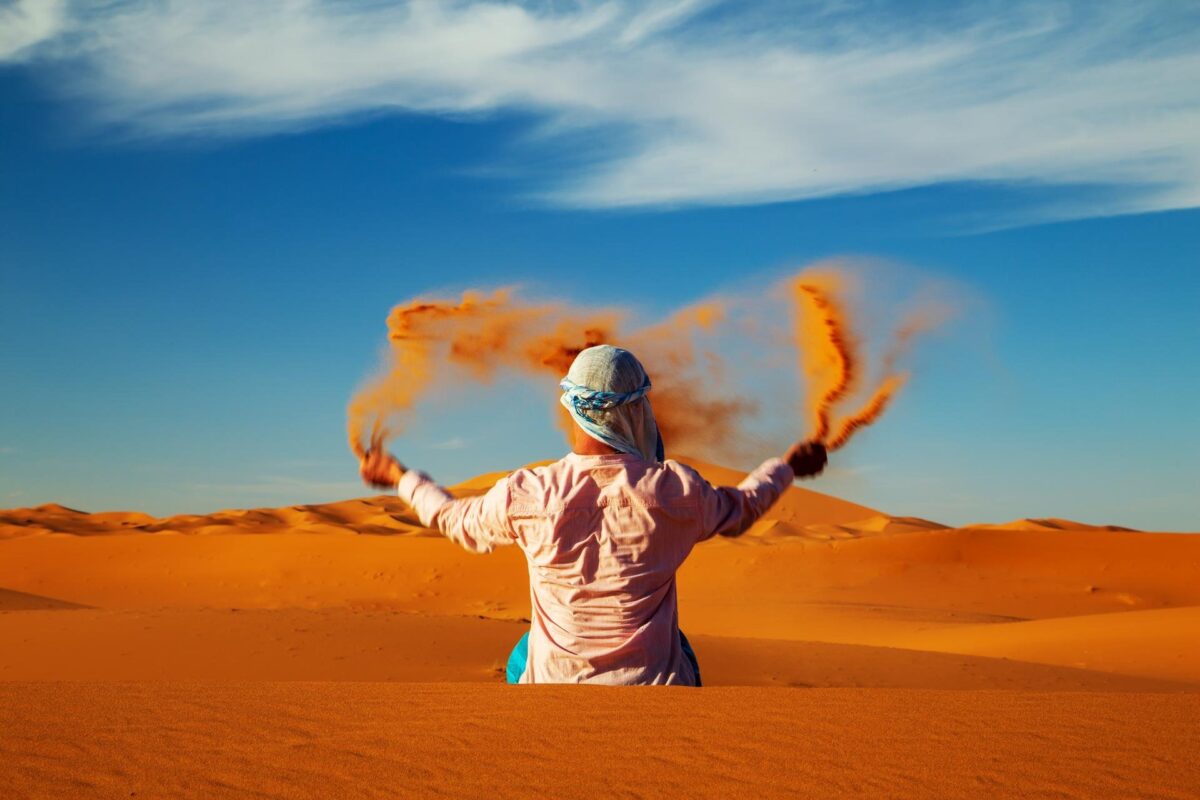
Day 3 marks your official arrival into the breathtaking Sahara Desert. Throughout the day, the route descends from high mountain gorges through arid desert basins, ultimately ending at the orange sand dunes of Erg Chebbi.
ROUTE METRICS: DAY 3
• Distance: 270 km
• Net Driving Duration: 4 hours
• Target Highlight: Sunset Camel Trek & Erg Chebbi Luxury Camp
• Primary Highway: N10 to R702
Morning: Todra Gorges Canyons
First, depart the Dades Valley early in the morning, pausing briefly at the famous serpentine hairpin overlook for a classic photo of the road winding through the canyon. Then, drive eastward to the town of Tinghir and turn north to reach the spectacular Todra Gorges.
Here, the flowing Todra River has carved a massive 300-meter-high vertical limestone canyon that narrows to just 10 meters wide at its base. Because of this, the cool river bed is easily navigable on foot, offering a refreshing mountain walk beneath towering rock walls that consistently attract international rock climbers.
TODRA GORGE VISITOR SUMMARY
• Recommended Walking Time: 45 - 60 minutes
• Best Time for Photography: Mid-morning (when sunlight directly penetrates the narrow canyon)
• Facilities: Riverside cafes, local artisan stalls, flat paved walking paths
Afternoon: Transit to Erg Chebbi Dunes
Following your canyon walk, rejoin the main route heading past the palm-filled basins of Tinjdad and Touroug. At Erfoud, the landscape turns distinctly arid. Indeed, Erfoud is internationally famous for its rich deposits of marine fossils dating back over 350 million years; consequently, local artisan workshops process these fossilized limestone blocks into polished crafts and slabs.
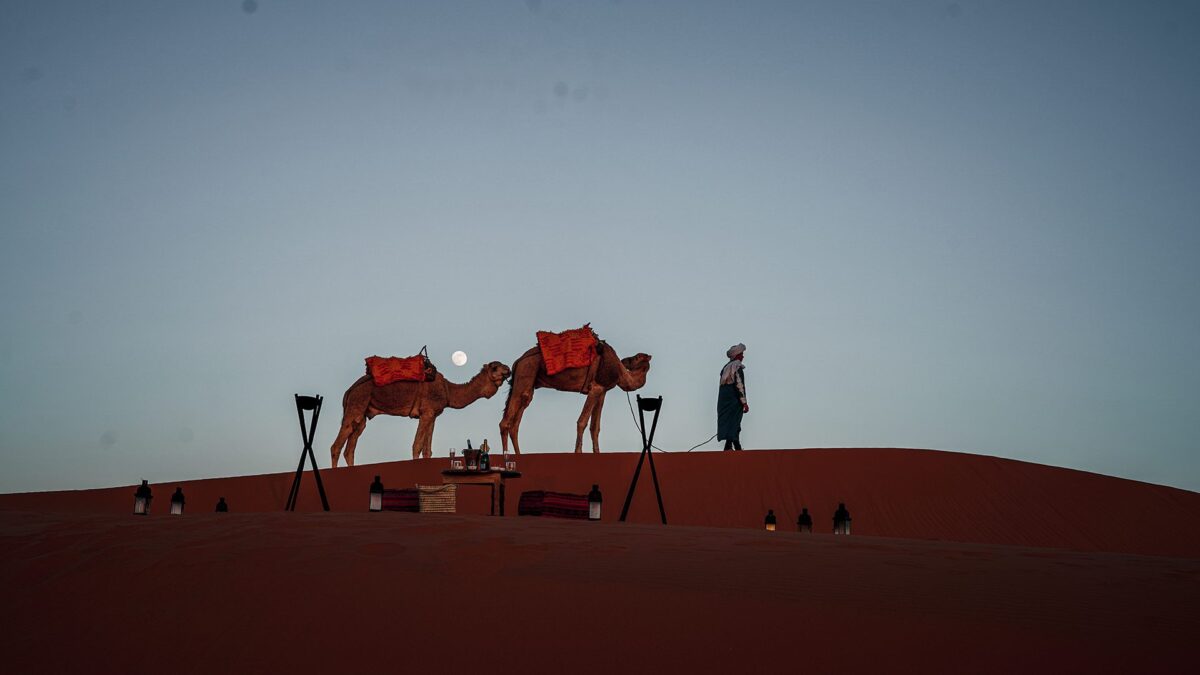
By late afternoon, you will reach the desert outpost of Merzouga, situated directly at the base of the towering Erg Chebbi dune field. In fact, this stretch forms the centerpiece of many popular desert itineraries, such as a 3-Day Desert Tour from Marrakech to Fes via Merzouga or a 4-Day Desert Tour from Marrakech to Fes via Merzouga.
Evening: Sahara Camel Trek & Overnight Camp
Upon arrival at the edge of the dunes, transfer your main luggage to your 4×4 transport and mount your camel for an authentic 1-hour trek into the dunes led by experienced local Bedouin guides. Alternatively, a 4×4 vehicle can convey travelers directly to camp over the sand tracks.
Fortunately, the camel trek is perfectly timed with the sunset, reaching the top of a high dune just as the light shifts the sands from bright yellow to deep ochre. Shortly thereafter, arrive at your secluded desert camp nestled deep within the dunes.
DESERT CAMP COMPARISON AT A GLANCE
• Standard Camps: Shared bathroom facilities, basic wool tents, communal dining area.
• Luxury Camps: Private en-suite bathrooms with hot water showers, plush king-sized beds,
  carpeted interiors, private dining, and solar-powered electric charging points.
To complete the evening, enjoy a traditional multi-course Moroccan dinner (featuring tagines, fresh salads, and fruits), followed by live local drumming around a crackling campfire under an open desert sky.
Day 4: Deep Sahara Exploration: Nomads, Khamlia & Desert Oasis
Rather than rushing out of the desert the following morning, Day 4 is dedicated entirely to exploring the rich cultural, geological, and musical heritage of the broader Sahara region around Merzouga.
ROUTE METRICS: DAY 4
• Distance: ~80 km (Regional off-road loop)
• Net Driving Duration: 2 hours
• Terrain: Gravel pistes, rocky hammada, sand tracks
• Transport Mode: 4x4 Vehicle
Morning: Desert Sunrise & Nomad Visit
Waking early is exceptionally rewarding, as you can step outside your tent to watch a spectacular sunrise over the Algerian border horizon. After enjoying breakfast at camp, transfer back across the dunes to meet your 4×4 driver.
Next, set out across the rocky desert terrain (hammada) to visit a remote family of semi-nomadic pastoralists who live in traditional woven camel-hair tents. Here, you will gain authentic insight into their daily routines, water management, and livestock care while sharing a warm pot of fresh mint tea.
Following this encounter, visit the historic abandoned mines at M’Fis, where lead, zinc, and eyeliner mineral (kohl) were once extracted during the mid-20th century, offering broad panoramic views across the flat stone plains toward the border.
Afternoon: Khamlia Gnaoua Music & Dayet Srji Oasis
After visiting the mines, drive south to the village of Khamlia, which is inhabited largely by descendants of sub-Saharan Africans who brought their spiritual musical traditions north. While there, attend a live performance of Gnaoua music, characterized by rhythmic iron castanets (qraqeb), three-stringed bass lutes (gimbri), and hypnotic vocal call-and-response.
Cultural Etiquette Tip: Although attendance at the Khamlia music house is free, small monetary tips placed in the musicians’ collection box are customary and directly support the local community performing arts association.
Afterward, enjoy lunch in Khamlia or Merzouga, sampling a regional desert specialty: Medfouna (often called “Berber Pizza”), which is a thick, stuffed flatbread filled with seasoned meat, eggs, almonds, and aromatic spices.
In the late afternoon, take a peaceful walk through the lush irrigation channels of the Merzouga palm grove or visit Dayet Srji, a seasonal salt lake that hosts migratory pink flamingos during wet winter and spring months. Finally, check into a traditional desert hotel bordering the dunes for a relaxed evening and a swimming pool break.
Day 5: Merzouga to Fes via Ziz Valley, Midelt & Cedar Forest
Day 5 is undoubtedly the longest driving segment of the itinerary. Nevertheless, it rewardingly traverses Morocco’s geographical core, crossing from the hot Saharan plains back up through the Middle Atlas Mountains to the medieval city of Fez.
ROUTE METRICS: DAY 5
• Distance: 460 km
• Net Driving Duration: 7.5 hours
• Key Transit Points: Ziz Gorge, Midelt, Azrou Cedar Forest, Ifrane
• Primary Highway: N13
Morning: The Ziz River Canyon
To begin, depart Merzouga early along the N13 highway. Drive past the historic trade hub of Rissani and follow the winding course of the Ziz River.
As you travel, the road climbs steadily into the Ziz Valley, where millions of date palms fill the canyon floor, framed dramatically by red limestone cliffs. Be sure to stop at the famous Ziz Valley Panoramic Overlook near Errachidia for sweeping views of one of North Africa’s largest continuous palm oases.
Afterward, continue driving northward through changing landscapes as the desert gradually gives way to high mountain plains. For instance, for travelers doing the reverse direction on a 3-Day Desert Tour from Fes to Marrakech or 4-Day Desert Tour from Fes to Marrakech, this route serves as the essential gateway connecting the Imperial north to the Sahara. Later, stop for a relaxing lunch in Midelt, a high-altitude town situated between the Middle and High Atlas ranges, which is widely known for its apple orchards and mineral mining.
DAY 5 TRANSIT BREAKDOWN & TIMELINE
• 08:00 AM: Depart Merzouga
• 10:00 AM: Ziz Valley Panoramic Overlook (20-min photo stop)
• 01:00 PM: Lunch Break in Midelt (60-min pause)
• 04:00 PM: Azrou Cedar Forest & Macaques (30-min stop)
• 05:00 PM: Short drive-through in Ifrane
• 06:30 PM: Arrival at Fes Medina accommodation
Afternoon: Middle Atlas Cedar Forests & Ifrane
In the afternoon, the route enters the cool, green cedar forests of Azrou in the Middle Atlas region. Notably, this protected national park environment is home to native populations of Barbary Macaques (the only wild primate species in Europe/North Africa).
ETHICAL WILDLIFE GUIDELINES (AZROU MACAQUES)
• Do NOT feed the macaques processed human food, junk food, or bread.
• Maintain a respectful 2-to-3 meter distance; wild primates can react unpredictably.
• Keep personal items, sunglasses, and small camera gear secured.
After visiting the cedar forests, pass through Ifrane, a unique mountain resort town built by the French in the 1930s. Celebrated for its alpine-style sloped architecture, clean parks, and cold winter snowfalls, it is often affectionately nicknamed the “Switzerland of Morocco.”
Finally, descend from the Middle Atlas hills into the Saïss plain, arriving in Fes by early evening. Check into your traditional medina riad for a restful night.
Day 6: Full-Day Guided Exploration of Historic Fes Medina
Unquestionably, Fes is the cultural, spiritual, and intellectual heart of Morocco. Its medieval urban core—Fes el-Bali—is a UNESCO World Heritage Site and the largest car-free urban area on earth. Therefore, navigating its 9,000+ winding alleyways requires an experienced local guide to fully appreciate its architectural and historic treasures.
TOUR PROFILE: DAY 6
• Transport Type: Morning vehicle drive + Afternoon Walking Tour
• Key Themes: Imperial history, Islamic architecture, traditional craftsmanship
• Practical Note: Wear sturdy, comfortable walking shoes for uneven stone streets
Morning: Imperial Architecture & Panoramic Fortresses
First, meet your licensed city guide at your riad to begin a structured exploration:
- The Royal Palace Gates (Dar al-Makhzen): Pause at the brass doors of the Royal Palace, framed by tilework and carved cedar wood.
- The Jewish Quarter (Mellah): Next, walk through the 15th-century Jewish district, noting the distinct balcony architecture that differs from traditional inward-facing Islamic housing.
- Borj Sud: Then, drive up to this 16th-century Saadian fortress overlooking Fes for a breathtaking panoramic view across the entire medina basin.
- Ceramic & Mosaic Art Cooperative: Finally, visit an authentic pottery workshop to watch craftsmen hand-carve zellige tile pieces and fire traditional ceramic clay kilns using olive pit fuel.
Afternoon: Walking Tour of Fes el-Bali
After your morning drive, step through the iconic Bab Bou Jeloud (Blue Gate) to enter the pedestrian medina core:
- University of Al-Quaraouiyine: Founded in 859 AD by Fatima al-Fihri, it is recognized by UNESCO and the Guinness World Records as the oldest continually operating institution of higher learning in the world. (Non-Muslim visitors may view the marble courtyard and entryway architecture).
- Al Attarine Madrasa: Likewise, explore this 14th-century Marinid Islamic school, renowned for its delicate carved plasterwork, zellige floors, and carved cedar ceilings.
- Chouara Tanneries: In addition, view the famous outdoor leather tanneries from surrounding terrace balconies. Artisans still process sheep, goat, and camel hides using medieval natural methods in large stone vats filled with natural dyes (such as saffron, poppy, and indigo) and organic softening agents.
Local Sensory Tip: Because the smell at the tanneries can be intense (particularly on warm days), shops at the entrance will provide fresh mint sprigs. Holding a mint leaf near your nose easily neutralizes the strong odor while observing the workers below.
Moreover, Fes serves as a major hub for broader travel options, including regional excursions like a 7-Day Desert & Imperial Cities Loop Tour from Fes. Spend the remainder of your late afternoon exploring the spice markets, brass-working squares (Place Seffarine), and textile souks before returning to your riad.
Day 7: Fes to Chefchaouen via Meknes & Volubilis Roman Ruins
Day 7 seamlessly connects three distinct historical eras: the 17th-century Imperial city of Meknes, ancient Roman antiquity at Volubilis, and the famous blue-painted mountain village of Chefchaouen.
ROUTE METRICS: DAY 7
• Distance: 260 km
• Net Driving Duration: 4.5 hours
• Key Stops: Meknes Monuments, Volubilis Roman Site, Rif Mountains
• Primary Highways: N13 to N2
Morning: Imperial Meknes & Volubilis Ruins
To start, drive 1 hour west from Fes to Meknes, the imperial capital established by Sultan Moulay Ismail in the 17th century. Stop to admire Bab al-Mansour, one of North Africa’s largest and most ornate monumental gates, framed by marble columns salvaged from nearby Roman sites. Similarly, pass by the vast Sahrij Souani water basin and the massive royal granaries.
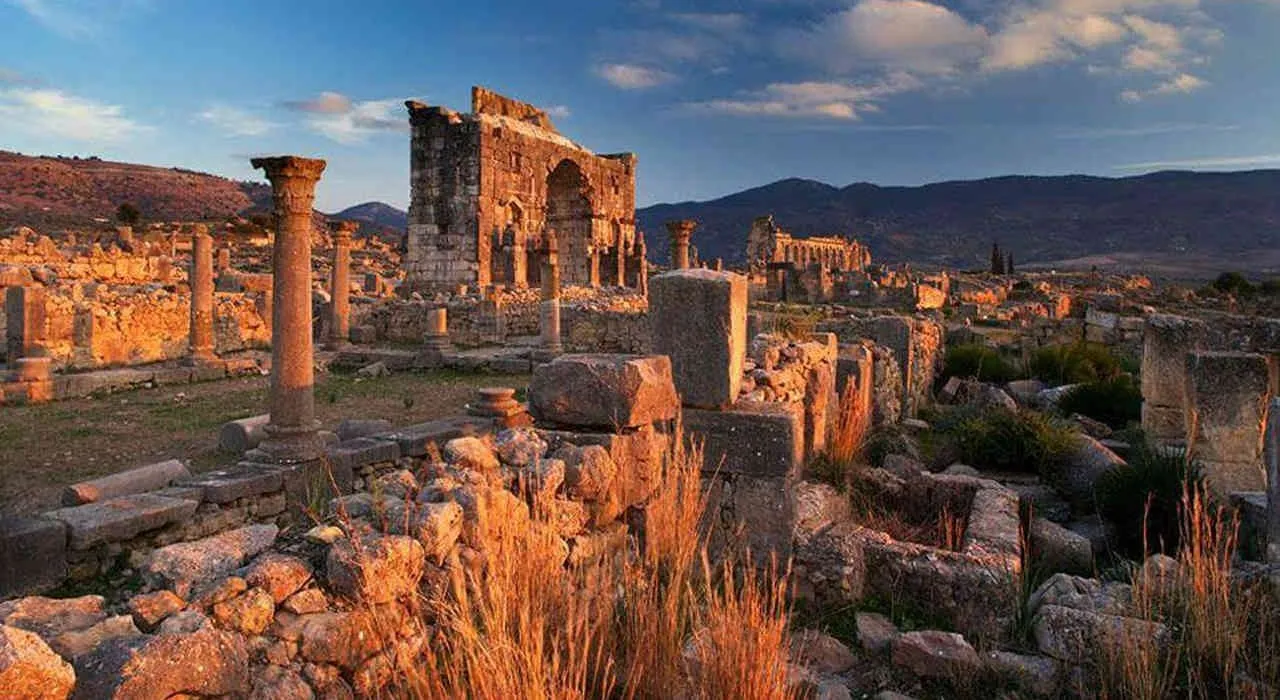
From Meknes, drive 30 minutes north to the UNESCO World Heritage Site of Volubilis, which was the ancient Roman Empire’s most remote southwestern outpost in Africa.
VOLUBILIS VISITOR FACTSHEET
• Site Type: Excavated Roman City Complex (2nd - 3rd Century AD)
• Key Sights: Decumanus Maximus, Triumphal Arch of Caracalla, Basilica,
  exceptionally preserved floor mosaics (Labors of Hercules, Bacchus).
• On-Site Guide Fee: ~200-300 MAD for a 1-hour private site guide (highly recommended).
• Facilities: On-site museum, restrooms, cafe at entry gate.
Take a 1-to-1.5 hour walking tour through the olive-tree-lined ruins, admiring the detailed floor mosaics preserved in their original open-air locations.
Afternoon: Scenic Drive into the Rif Mountains to Chefchaouen
Following lunch near the holy hilltop town of Moulay Idriss Zerhoun, head north into the lush rolling hills of the Rif Mountains. The road curves gracefully through olive groves, agricultural valleys, and mountain reservoirs along the N2 highway.
In the late afternoon, approach Chefchaouen (often simply called “Chaouen”), which is nestled between two horn-shaped mountain peaks (Rif means “horn” in Berber).
Check into your local riad and step out into the peaceful blue-washed alleys of the medina as dusk falls. Finally, enjoy dinner at a rooftop restaurant overlooking the central square, Outa el-Hammam.
Day 8: Chefchaouen’s Blue Medina to Tangier (Port or Airport Drop-Off)
The final day of your Moroccan tour combines a peaceful morning exploration of Chefchaouen’s famous photogenic alleyways with a scenic mountain drive down to the northern port city of Tangier.
ROUTE METRICS: DAY 8
• Distance: 115 km
• Net Driving Duration: 2 hours
• Target Drop-off Points: Tangier Ibn Battouta Airport (TNG), Tangier Ville Port, or Tangier City Hotel
• Primary Highway: N2 to N1
Morning: Photography & Walking in the Blue Pearl
Chefchaouen is world-famous for the striking blue wash covering its residential buildings, streets, and doorways. Specifically, theories regarding the origin of the blue paint range from Jewish spiritual traditions symbolizing heaven, to practical mosquito deterrents, or simply cooling measures during hot summer months.
Spend your morning walking through the quiet cobblestone pathways before day-trip crowds arrive from coastal cities:
- Outa el-Hammam Square: The heart of the medina, anchored by the red-earthen walls of the historic Kasbah fortress and the Grand Mosque’s octagonal minaret.
- Ras el-Maa Waterfall: Located just outside the eastern medina gate, where mountain spring water flows down the rocks; local women frequently wash carpets and clothes in traditional stone basins here.
- Spanish Mosque Overlook: Additionally, a short 15-minute uphill trail leads to this abandoned hilltop chapel, offering a sweeping panoramic view across the entire blue city framed by the Rif peaks.
Afternoon: Transfer to Tangier & Tour Conclusion
Later, meet your private driver back at your Chefchaouen accommodation by late morning or early afternoon, depending on your departure flight or ferry schedule. Meanwhile, travelers taking a broader 5-Day Desert Tour from Tangier to Marrakech via Merzouga often follow this exact mountain highway in reverse.
Enjoy a 2-hour drive winding through the green mountain passes of the Rif Range, descending toward the Strait of Gibraltar and the vibrant coastal city of Tangier.
Ultimately, your driver will drop you off safely at your preferred location:
- Tangier Ibn Battouta Airport (TNG): For international departure flights (ensure departure time is scheduled for 4:00 PM or later).
- Tangier Ville Port Terminal: For high-speed passenger ferries across the Strait to Tarifa or Algeciras, Spain.
- Tangier City Center Hotel: If you plan to extend your stay to explore Tangier’s historic Kasbah, American Legation museum, and Cape Spartel.
Alternative Itineraries & Regional Starting Points
While this 8-day Marrakech-to-Tangier route is ideal for cross-country travel, travelers entering Morocco through other primary transport hubs can choose from several well-established regional itineraries:
- Tours From Marrakech: In addition to this 8-day route, travelers based in the “Red City” can take shorter desert circuits, a 5-Day Desert Tour from Marrakech to Fes via Merzouga, or scenic day trips like an Essaouira Day Trip from Marrakech, Ourika Valley Day Trip from Marrakech, or an Ouzoud Waterfalls Day Trip from Marrakech.
- Tours From Fes: These offer excellent starting points for concentrated desert crossings to Marrakech or week-long Northern Morocco explorations.
- Tours From Casablanca: As Morocco’s primary international flight hub, this city offers convenient starting locations for routes such as a 5-Day Desert & Imperial Highlights Tour from Casablanca or a comprehensive 8-Day Grand Sahara & Imperial Cities Loop from Casablanca.
- Tours From Tangier: Ideal for travelers arriving by ferry from Europe, providing direct access south through Chefchaouen toward Fes and the Sahara.
Practical Morocco Travel Planning & Logistics
To ensure your 8-day expedition runs smoothly without unexpected friction, incorporate these essential operational and logistical preparation guidelines.
Packing Guidelines by Region & Season
Because of Morocco’s diverse geography, you will experience drastic microclimate shifts on this 8-day route—ranging from sea-level humidity to alpine mountain cold and dry desert heat.
ESSENTIAL PACKING CHECKLIST
[ ] Layered Clothing: Lightweight, breathable fabrics for daytime + fleece/jacket for desert nights.
[ ] Footwear: Comfortable, broken-in walking shoes or sneakers with good traction for stone streets.
[ ] Sun Protection: Polarized sunglasses, broad-spectrum sunscreen, wide-brimmed hat.
[ ] Health & First Aid: Motion sickness tablets (for mountain drives), rehydration salts, basic Imodium.
[ ] Electronics: Type C and Type E European standard plug adapters, **mAh power bank.
[ ] Modesty Items: Light scarf or shawl for covering shoulders/knees when entering traditional areas.
Cash, Currency & Tipping Conventions
Although major hotels and upmarket restaurants in Marrakech, Fes, and Tangier accept credit cards (Visa/Mastercard), cash remains king across rural Morocco, highway gas stops, local souks, and smaller cafes.
- Local Currency: Moroccan Dirham (MAD). Approximate exchange rates run around $\text{ USD} \approx 10\text{ MAD}$.
- ATM Usage: Therefore, withdraw cash at major bank ATMs in Marrakech or Ouarzazate before entering rural desert zones.
- Tipping Guidelines (Baksheesh):
- Private Driver: **MAD per day total from the group (given at tour end).
- Local City Guides (Fes/Volubilis): **MAD for a half-day private tour.
- Desert Camp Staff / Camel Guides: ** MAD pooled tip for camp crew.
- Restaurants: 10% cash tip for good table service.
Frequently Asked Questions (FAQ)
Is this 8-day itinerary suitable for families with young children?
Yes, but be mindful of the driving durations on Day 5 (Merzouga to Fes, ~7.5 hours). To keep children engaged, schedule regular stretches at the Azrou Cedar Forest to see the macaques, ensure your transport vehicle has working Wi-Fi or offline entertainment, and opt for private 4×4 transfers so you can request bathroom/snack breaks whenever necessary.
What is the advantage of ending in Tangier rather than returning to Marrakech?
Mainly, a linear Marrakech-to-Tangier route saves you a full day (8 to 9 hours) of monotonous highway driving back south to Marrakech. Consequently, ending in Tangier allows you to seamlessly continue your travels into Europe via a 60-minute ferry across the Strait of Gibraltar to Spain, or catch international flights directly from Tangier Airport.
Can I self-drive this route with a rental car?
While self-driving is legal and highways (like the N9, N10, and N13) are generally well-paved, self-driving can nevertheless be stressful due to narrow mountain passes, aggressive overtaking by local grand taxis, radar speed traps, and livestock on rural roads. Therefore, hiring a private local driver allows you to enjoy the scenery safely while gaining local context and seamless navigation.
How cold does the Sahara Desert actually get at night?
Desert temperatures plummet rapidly once the sun sets due to low humidity and sand’s inability to retain heat. Consequently, between November and February, night temperatures at Erg Chebbi desert camps can drop close to freezing ($0^\circ\text{C}$ to $5^\circ\text{C}$ / $32^\circ\text{F}$ to $41^\circ\text{F}$). Luxury desert camps feature interior heating, thick wool blankets, and heavy duvets; however, packing warm thermal layers remains essential for winter visits.