

Introduction: Discovering Morocco’s Most Spectacular Mud-Brick Fortress
private tour from Marrakech -: Planning a private tour from Marrakech to Ait Ben Haddou is one of the best decisions you can make when exploring Morocco. This comprehensive guide shows exactly why this UNESCO World Heritage site deserves a place in your personalized Morocco itinerary.
Imagine approaching a sprawling fortress city built entirely from clay and stone. It rises majestically against snow-capped Atlas Mountains. Centuries-old earthen walls glow in warm amber hues during the golden hour. This is Ait Ben Haddou—a place where time stands still. Traditional Berber architecture reaches its finest expression here. Moreover, Hollywood has filmed some of the world’s most iconic movies at this location.
Whether you’re in Marrakech seeking deeper understanding of Moroccan culture, or enjoying luxury tours through the Atlas Mountains, a private tour from Marrakech to Ait Ben Haddou offers rewarding travel experiences. This guide helps you plan the perfect visit. You’ll learn about the best times to travel. Furthermore, you’ll understand convenient transportation options. Additionally, you’ll discover detailed information about the kasbah’s history and architecture.
What Is Ait Ben Haddou? Understanding This Architectural Masterpiece
Ait Ben Haddou is one of the most spectacular examples of a traditional fortified Moroccan settlement in the country. It’s located in Ouarzazate Province approximately 190 kilometres southwest of Marrakech. This magnificent mud-brick fortress stands as a testament to centuries of traditional Berber and Arab architectural excellence.
The kasbah was built during the 17th century, though some sections date back further. Moreover, it has served as a crucial trading post along historic caravan routes connecting the Sahara Desert with Morocco’s coastal cities. Consequently, this makes it an essential day trip from Marrakech for history enthusiasts.
The entire settlement is built from rammed earth, clay bricks, and stone. This creates a unified architectural masterpiece. Furthermore, hundreds of closely packed buildings rise organically from the terrain. This creates a visual spectacle that has captivated artists, photographers, and travelers for generations.
In 1987, Ait Ben Haddou received designation as a UNESCO World Heritage Site. This recognition acknowledges its outstanding universal value and importance as a prime example of pre-Saharan building tradition. This prestigious designation makes it one of Morocco’s most sought-after destinations. Additionally, the site attracts film productions from around the world. Clearly, it’s a perfect addition to any private tour from Marrakech.
Location and Geography: Accessing This Historic Treasure
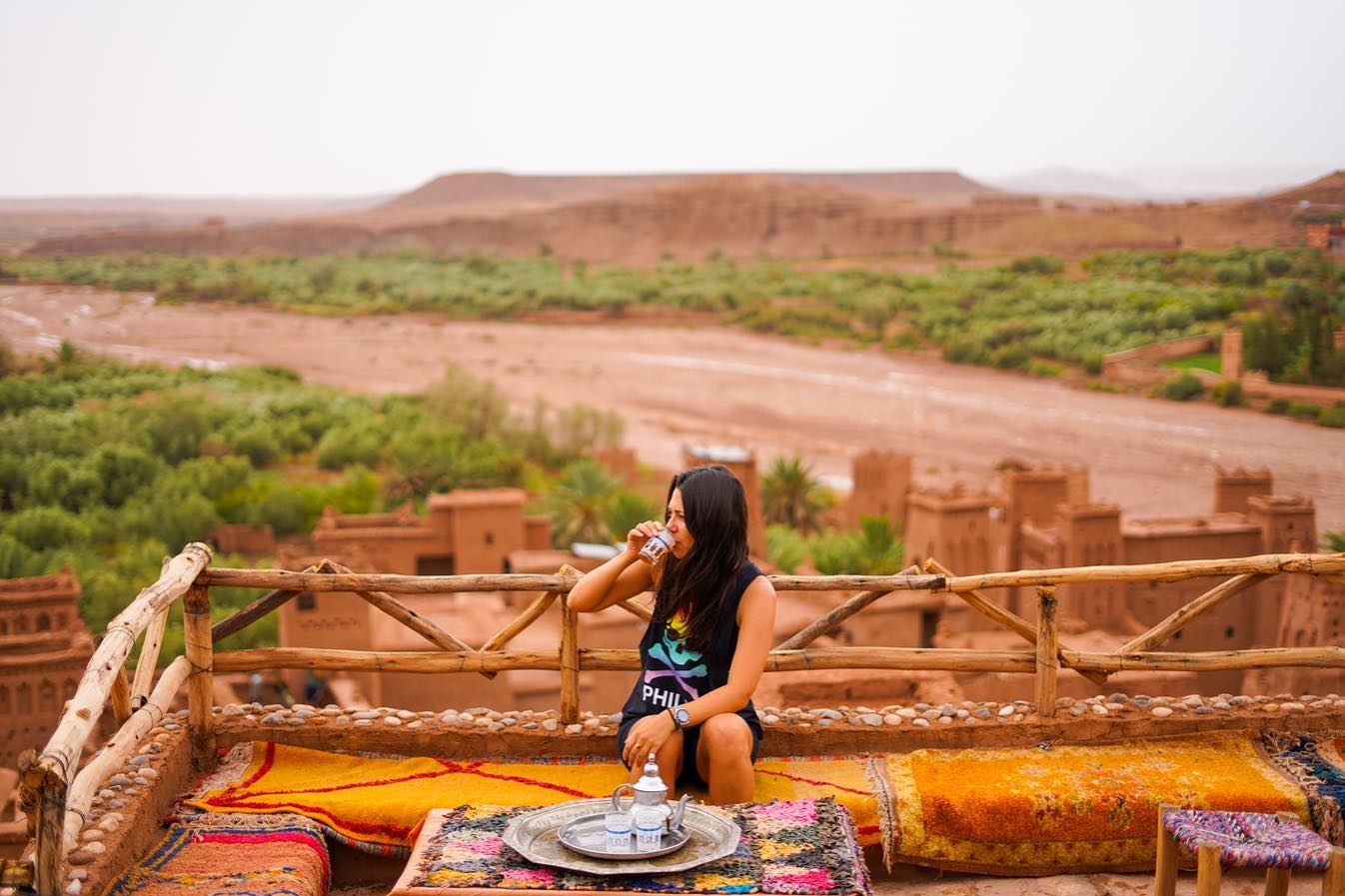
Ait Ben Haddou is located in Ouarzazate Province, situated along the Ounila River valley. The distance from Marrakech is approximately 190 kilometres (about 3.5 to 4 hours driving). This makes it an ideal destination for private excursions from Marrakech.
The strategic location sits between the snow-capped Atlas Mountains and the expansive Sahara Desert. Mountain passes connect Mediterranean regions with desert oases. Moreover, this route has been traveled for over a thousand years. The nearby town of Ouarzazate serves as the primary hub for visitors. Furthermore, from there, it’s only about 30 kilometres to the kasbah. This makes it convenient for day trips from Marrakech.
Understanding the Geographic Setting
The geographical setting of Ait Ben Haddou is integral to understanding its historical importance. The Ounila River flows through the valley and has been crucial for agriculture and settlement throughout history. It provides water necessary to sustain the community. Additionally, dates, almonds, and other crops are cultivated here, essential to Moroccan cuisine and economy.
The elevation ranges from 1,400 to 1,600 meters above sea level, creating a temperate climate more comfortable than lower desert regions. However, it remains hot and dry during summer months. The dramatic landscape surrounding the kasbah offers striking contrasts. The lush valley floor contrasts sharply with arid mountains. Consequently, this spectacular scenery creates some of Morocco’s most impressive photography opportunities.
Architecture and Construction: Traditional Building Methods
The architecture of Ait Ben Haddou represents the pinnacle of pre-Saharan building tradition. It showcases construction techniques refined over centuries. Moreover, arid climates require building materials sourced locally. Structures must withstand extreme heat, occasional rainfall, and earthquakes.
Building Materials and Techniques
The primary building material is rammed earth (also called adobe or clay). It’s mixed with straw, water, and sometimes lime. Furthermore, this creates bricks dried in the sun. Clay mortar assembles these bricks into walls. This traditional construction method has proven remarkably durable. Some structures in the kasbah maintain integrity despite being several centuries old.
Settlement Layout and Design
The layout of Ait Ben Haddou reflects defensive requirements and practical living needs. The kasbah is enclosed by defensive walls that provided protection against raiders and hostile forces during the settlement’s active period as a trading post. Buildings arrange in a dense, interconnected pattern that maximizes shade and desert heat protection while minimizing exterior wall surface.
The narrow winding streets between buildings create labyrinthine effects that served both practical and defensive purposes. They allowed easy surveillance of kasbah activities. Furthermore, they made it difficult for outsiders to navigate. Consequently, they prevented successful attacks on the settlement.
Historical Significance: A Crucial Trading Post
Ait Ben Haddou’s historical importance stems from its location at a critical junction in ancient and medieval trading networks. These networks connected sub-Saharan Africa with the Mediterranean world. For centuries, this kasbah served as a fortified trading post where merchants from different regions gathered. They exchanged goods—gold, salt, spices, textiles, and enslaved people traveled through this location as part of complex economic systems.
The most valuable commodity traded through Ait Ben Haddou was salt. It was mined in the Sahara and transported north to more humid regions where it commanded premium prices. It was essential for food preservation before modern refrigeration.Rise and Decline of the Trading Post
The kasbah’s prominence reached its peak during the 17th and 18th centuries when merchant dynasties like the Glaoui clan controlled the region. They accumulated enormous wealth from taxing and controlling the trans-Saharan trade. These wealthy merchants built elaborate palaces still standing today, showcasing their power and prosperity through architectural magnificence.
Their decline came during the French colonial period and continued after Morocco’s independence. New trade routes and modern transportation made traditional caravan trade obsolete. Consequently, the kasbah gradually lost its economic importance.
By the mid-20th century, much of the kasbah had been abandoned. However, the designation as a UNESCO World Heritage Site changed this trajectory. Growing tourism provided economic incentives for preservation. Some families chose to maintain traditional lifestyles while welcoming visitors. This created a unique dynamic where a historical site becomes simultaneously a museum and living community.
Main Attractions: What You Must Not Miss
The primary attraction at Ait Ben Haddou is obviously the kasbah itself—a massive fortified settlement with hundreds of earthen buildings rising dramatically from the Ounila River valley. The best approach begins at the visitor center and museum located at the settlement’s base, which provides important context about history, architecture, and residents’ daily life.
Significant Structures
One of the most photographed locations is the Kasbah Taourirt Palace, one of the most elaborate and well-preserved palaces in the settlement. It once served wealthy merchants and tribal leaders. This palace features multiple stories, decorated courtyards, and intricate architectural details that showcase the wealth and sophistication of former residents. Visitors can climb to upper levels for spectacular views of the settlement and surrounding landscape.
Another significant structure is the mosque, which served as the spiritual center of the community and demonstrates the religious importance of the settlement beyond its commercial functions.
Photography and Surrounding Elements
For photographers, Ait Ben Haddou offers spectacular opportunities, especially at sunrise and sunset. Warm light transforms earthen buildings into glowing amber structures that seem almost otherworldly. Many professional photographers consider the kasbah one of Morocco’s most photogenic locations. The Ounila River flowing through the valley provides another photographic element, and visitors can access riverbanks for different perspectives on the kasbah’s architecture.
Best Times to Visit Ait Ben Haddou
Spring (March to May) is widely considered the optimal season. Mild temperatures range from 15-25°C, clear skies are ideal for photography, and blooming wildflowers adorn the landscape. The Atlas Mountains still carry snow on their highest peaks, creating stunning visual contrasts with the earthen kasbah.
Autumn (September to November) provides another excellent visiting window with temperatures gradually cooling from summer heat. This season offers smaller crowds than spring and the light quality proves particularly favorable for photography. Surrounding valley vegetation takes on autumn colors, adding additional visual interest to the landscape.
Summer (June to August) offers the longest daylight hours with guaranteed clear skies. However, extreme heat presents challenges with temperatures frequently exceeding 35°C (95°F). Arriving early in the morning is essential before midday heat becomes oppressive. Fewer tourists mean more space and peace within the kasbah.
Winter (December to February) brings cooler temperatures and occasional rainfall. Clear winter days offer exceptional light for photography, and dramatic contrasts appear between gray winter skies and warm earthen building tones. Winter experiences the fewest tourists, allowing more solitary exploration.
How to Get to Ait Ben Haddou: Transportation Options
Most visitors to Ait Ben Haddou begin their journey from Marrakech, which serves as the primary gateway to southern Morocco. The approximately 190-kilometre journey can be accomplished via several transportation methods, each offering different advantages.
Guided Private Tours
These remain the most popular and convenient option, providing comfortable air-conditioned transportation and experienced local guides who share detailed knowledge about the site’s history and architecture. Private tours from Marrakech typically include hotel pickup and drop-off. These tours often incorporate additional destinations like Ouarzazate, creating comprehensive experiences that explore the broader region.
Public Transportation
Buses operated by CTM or Supratours travel from Marrakech to Ouarzazate in approximately three hours. From there, shared taxis complete the journey to Ait Ben Haddou. This method costs significantly less than private tours but requires more time and flexibility.
Self-Driving
Renting a car provides maximum flexibility and independence. The drive from Marrakech is straightforward on well-maintained highways. However, self-driving requires an international driving permit and familiarity with Moroccan driving norms, which differ significantly from Western countries.
What to Expect: Activities and Experiences
A visit to Ait Ben Haddou can be experienced at multiple engagement levels depending on available time and physical ability. For many visitors, basic experiences involve viewing the kasbah from main areas and walking through accessible streets and passages. However, more adventurous visitors explore extensively, climbing to the settlement’s highest points and venturing into less-visited areas.
Architectural Exploration
The primary activity at Ait Ben Haddou is exploring the kasbah’s architecture. Observe how traditional building techniques were applied and examine relationships between structures. Hiring a local guide from Ait Ben Haddou significantly enhances this experience, as knowledgeable guides explain architectural details and share stories about the kasbah’s history.
Photography
The kasbah ranks among Morocco’s most photogenic locations. Photography enthusiasts should plan accordingly with appropriate camera equipment and tripods. Early morning or late afternoon times offer optimal light quality for capturing multiple compositions.
Cultural Immersion
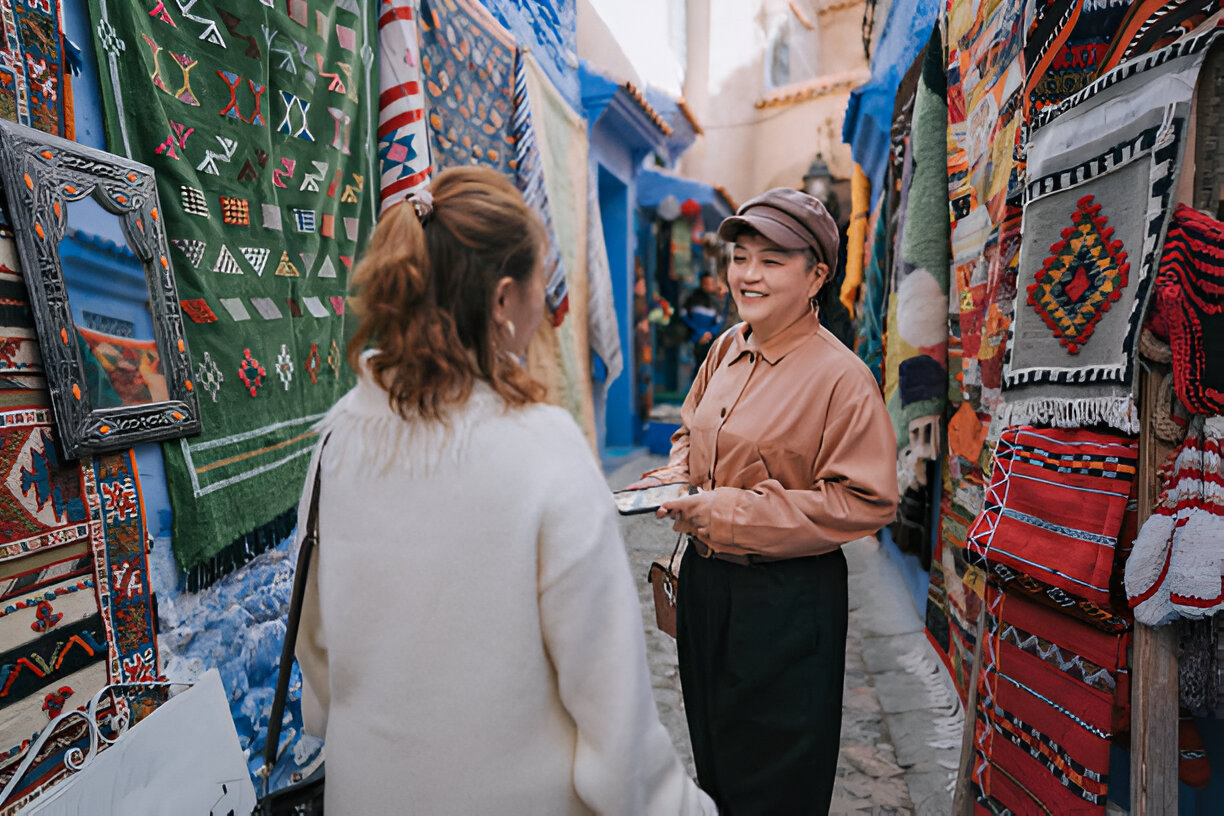
Several families continue living in the kasbah, maintaining traditional lifestyles while welcoming visitors. Interactions with residents enhance cultural understanding. Greeting them appropriately and respecting their privacy is important. Purchasing handmade crafts and eating at family-run restaurants supports the community directly.
Hiking and Exploration
The terrain surrounding Ait Ben Haddou offers hiking opportunities at various difficulty levels. The Ounila Valley provides particularly scenic hiking routes with trails offering different kasbah angle views.
Facilities and Practical Information
While Ait Ben Haddou preserves its traditional character, visitor facilities have developed nearby thoughtfully. The visitor center and museum at the kasbah’s base provides important context through exhibits and audiovisual presentations. These facilities typically include restroom facilities, a small gift shop, and information counters where visitors can hire local guides.
Accommodation Options
Accommodation options in the immediate vicinity vary from simple guesthouses to mid-range hotels with contemporary amenities. The nearby village of Ait Ben Haddou and the larger town of Ouarzazate (approximately 30 kilometres distant) offer more extensive lodging choices, from luxury hotels to budget hostels.
Restaurants and Dining
Restaurants and cafes serve traditional Moroccan cuisine both within the kasbah and in surrounding villages. Family-run establishments often operated by residents serve dishes like tagine, couscous, fresh bread, and local vegetables. Authentic settings provide memorable dining experiences.
Accessibility and Important Considerations
Ait Ben Haddou presents physical challenges for visitors with limited mobility, as exploration involves climbing numerous stairs and navigating narrow passages with uneven floors. However, visitors with mobility limitations can still experience impressive kasbah features from main viewer areas at the base.
The kasbah suits families with older children well—approximately 10+ year-olds who are comfortable with physical activity. Younger children may find extensive walking exhausting, and steep stairs can be challenging. Families should plan visits during cooler seasons and bring adequate water and snacks.
Ait Ben Haddou is generally very safe for tourists, with welcoming local residents and minimal crime affecting visitors. Standard precautions regarding valuables are recommended, and respectful behavior toward residents is important.
Planning Your Visit: Tips for Success
Plan to arrive early for optimal experiences. Ait Ben Haddou experiences peak tourist crowds during midday hours. Arriving early in the morning (gates typically open around 8:00 AM) allows several hours of exploration with smaller crowds and better light for photography.
Hiring a local guide significantly enhances the experience, providing historical context and architectural explanations. Guides are available at the visitor center and typically cost 100-200 dirhams per person for group tours.
Combining Ait Ben Haddou with Other Tours
Popular multi-day itineraries from Marrakech include:
4-Day: Marrakech → Atlas Mountains → Ait Ben Haddou → Ouarzazate → Marrakech
7-Day: Marrakech → Ait Ben Haddou → Ouarzazate → Todra Gorge → Dades Valley → Merzouga Desert → Marrakech
The region surrounding Ait Ben Haddou contains numerous worthwhile destinations. Ouarzazate serves as a transportation hub with film studios and the Taourirt Kasbah. The Todra Gorge features soaring cliff walls reaching 160 metres. The Dades Valley is known as the “Valley of the Kasbahs,” containing dozens of traditional fortified settlements.
Frequently Asked Questions
Q: How far is Ait Ben Haddou from Marrakech?
Approximately 190 kilometres (3.5 to 4 hours driving).
Q: What is the best time to visit?
Spring (March-May) and autumn (September-November) offer optimal conditions with mild temperatures and minimal rainfall.
Q: How long should I spend there?
Basic visits require 2-3 hours; comprehensive exploration takes 4-6 hours. Photographers may spend a full day.
Q: Do I need a guide?
While not essential, local guides significantly enhance the experience with historical knowledge and architectural explanations.
Q: Is it safe for tourists?
Yes, Ait Ben Haddou is generally very safe with welcoming local residents.
Q: Can I visit as a day trip from Marrakech?
Yes, though the 3.5-4 hour drive each direction limits exploration time. Most visitors prefer staying overnight.
Final Thoughts: Why Ait Ben Haddou Deserves Your Visit
A visit to Ait Ben Haddou stands out as one of Morocco’s most culturally and historically significant experiences. Visual splendor rivals any natural wonder, while historical and architectural importance is profound. Towering earthen buildings glow in warm amber light, labyrinthine passages wind through centuries of history, and local residents continue practicing traditional lifestyles.
Whether you choose a private tour from Marrakech, join an organized group tour, or independently navigate to the site, the journey rewards visitors with perspectives on Moroccan history, culture, and architecture that are difficult to access elsewhere. The kasbah represents remarkable human achievement, demonstrating adaptation to challenging environments through ingenuity and artistic sensibility.
Incorporate Ait Ben Haddou into your personalized Morocco itinerary and combine it with other regional attractions. Pack your cameras and prepare for physical exploration. Bring respect for the community. Witness one of humanity’s remarkable architectural achievements standing as a testament to centuries of Moroccan civilization. Ait Ben Haddou awaits your visit—a journey into Morocco’s historical soul that will enrich your understanding of this magnificent country.